Showing posts with label THE TERTIARY SECTOR. Show all posts

Wednesday, 8 February 2017

WHY'S THE TERTIARY SECTOR IMPORTANT IN THE EU?

The tertiary sector is very large in the European Union (EU). There's a lot of trade between EU members because of transport and economic links between these countries.
EU member countries have many economic links that make trade easier. The EU has a common currency, the euro.
In recent years transport links have improved in the EU. There are many flights and the Channel Tunnel make it easier to move products and people from one country to another.
The time differences between member countries are small. Their offices are open at the same or similar times.
Reducing consumption in the EU:
The European Environment Agency (EEA) promotes responsible consumption in the EU. It encourages countries to trade:
  • using means of transport that don't damage the environment,
  • buying organic or eco-friendly products,
  • improving the energy efficiency of vehicles and offices.

HOW ARE PRODUCTS ADVERTISED?

There are many ways to advertise products and services. The most common ones are on television, on the Internet and in newspapers and magazines.
Advertisements tells consumers about a product or a service. They also encourage people to buy that product or service.
Many companies offer the same products or services, so they must compete with each other for sales. Some companies use very aggressive advertisements to get the consumer's attention. This encourages people to consume lots of products and services without thinking carefully.
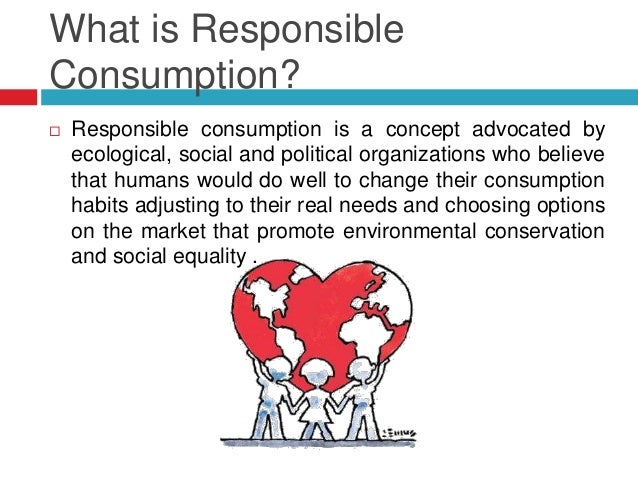
Responsible consumption.
Sometimes people consume more products and services than they really need. We can be responsible consumers if we control our use of products and services. This will also help us to save energy and limited resources.
Photo by Cielo Rugel in Slideshare

Thursday, 2 February 2017

WHAT'S RETAIL?

Retail is the selling of products to consumers.
Types of retail businesses.

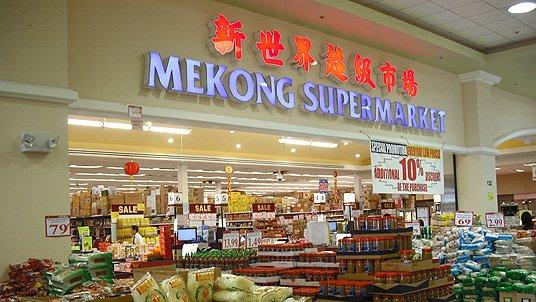
  • Very large supermarkets are called hypermarkets. Hypermarkets sell food and many other products, such as clothes, furniture and electronics.
    Photo from Eat.Drink.Dance
    Photo from Qatarisbooming
  • Supermarkets and department stores are large businesses that sell a variety of different products.  
    Photo from bizjournal.com
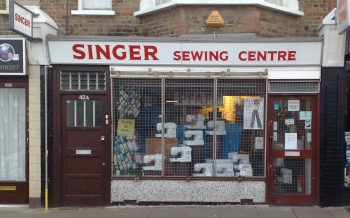
  • Speciality shops are smaller businesses that offer only one type of product or service.  
    Photo from Pinterest

Some small retail businesses sell products that are difficult to find. These specialist shops perform an important service for consumers.
Photo from sarfend.co.uk

Tuesday, 31 January 2017

WHAT DO TRANSPORT AND TOURISM INDUSTRIES DO?

The transport industry moves passengers and products from one place to another.
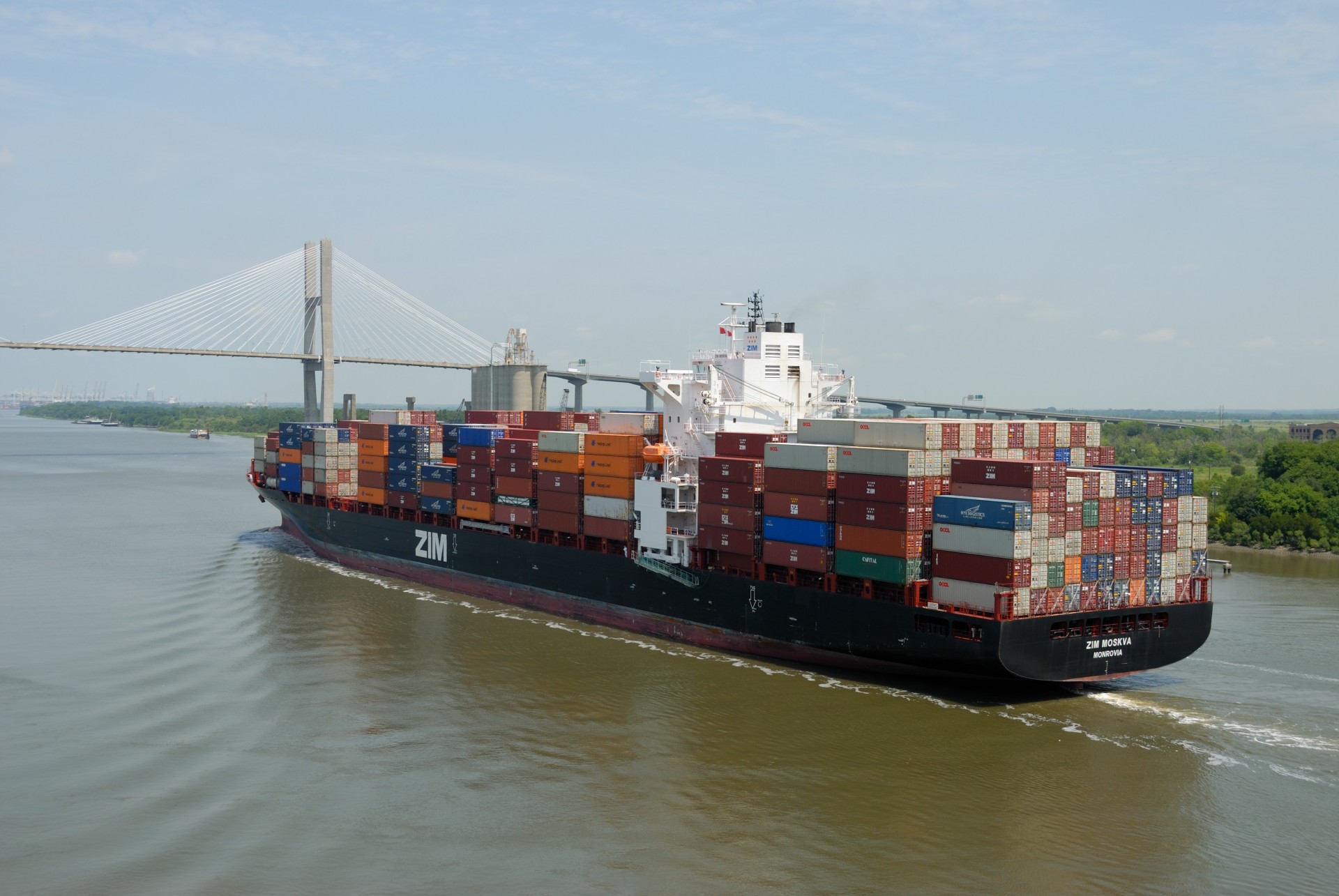
  • Water transport: Cruise ships carry passengers on holiday tours. Cargo ships transport heavy products over long distances. Tankers transport liquids (petroleum,...).
Picture from Wikimedia
Picture from PublicDomainPictures
Picture from Wikipedia

  • Rail transport: Passengers and products can be transported by train. Passengers can get on and off at stations. Products can be loaded and unloaded.
Picture from Wikipedia
Picture from 1080plus
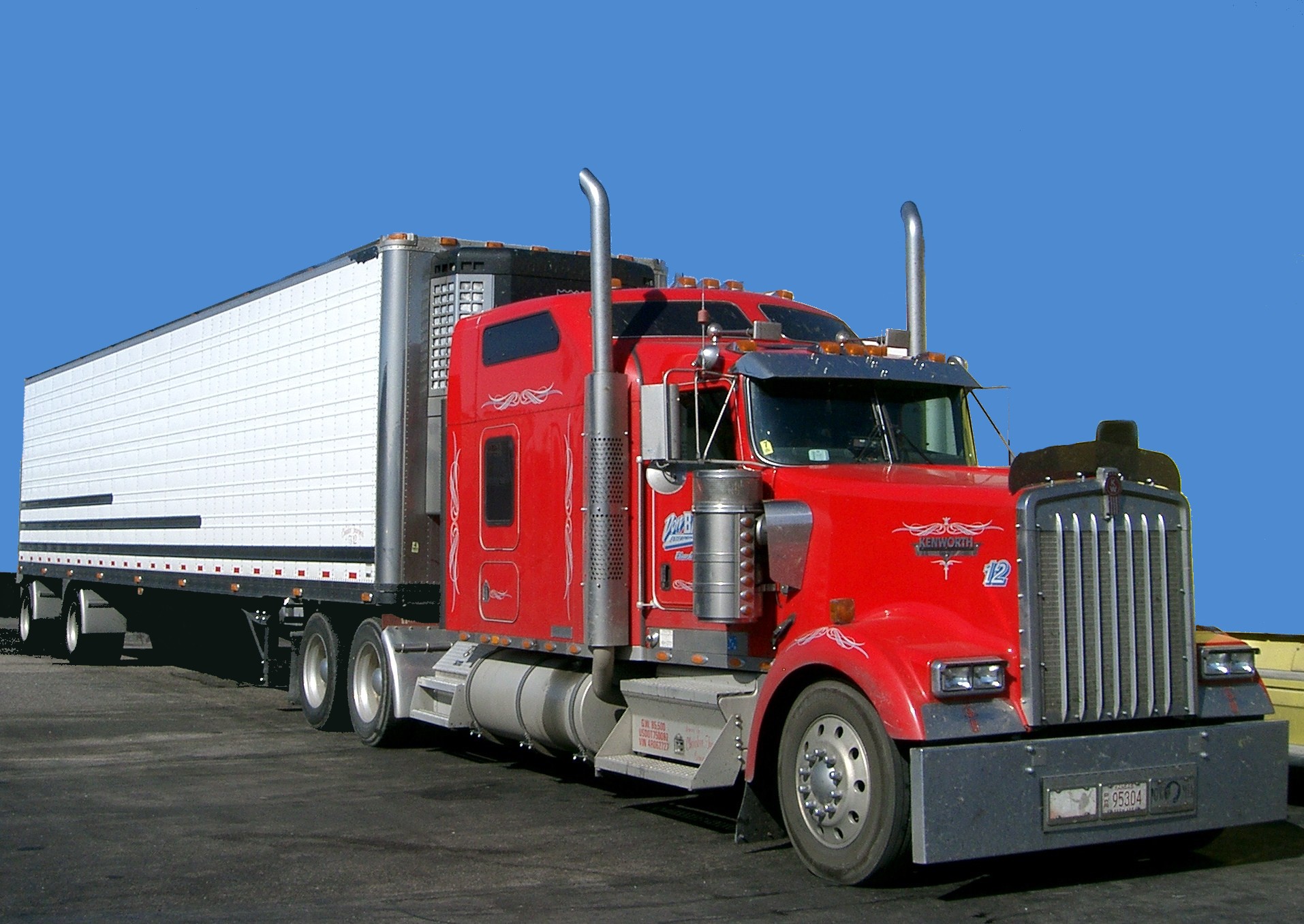
  • Road transport: cars, buses and lorries travel on roads. Buses can carry lots of passengers. Lorries can deliver products from door to door.
Picture from Wikimedia

Picture from clubfiat500

Picture from Wikimedia
  • Air transport: Planes transport products and passengers over long distances. Aeroplanes are fast.
Picture from Wikimedia

The tourism industry provides accommodation and entertainment for tourists.
There are many types of tourism:
  • beach tourism,
Picture from Wikipedia
  • cultural tourism,
Picture from Wikipedia
  • rural tourism,
Picture from Wikimedia
  • adventure tourism.
Picture from flickr

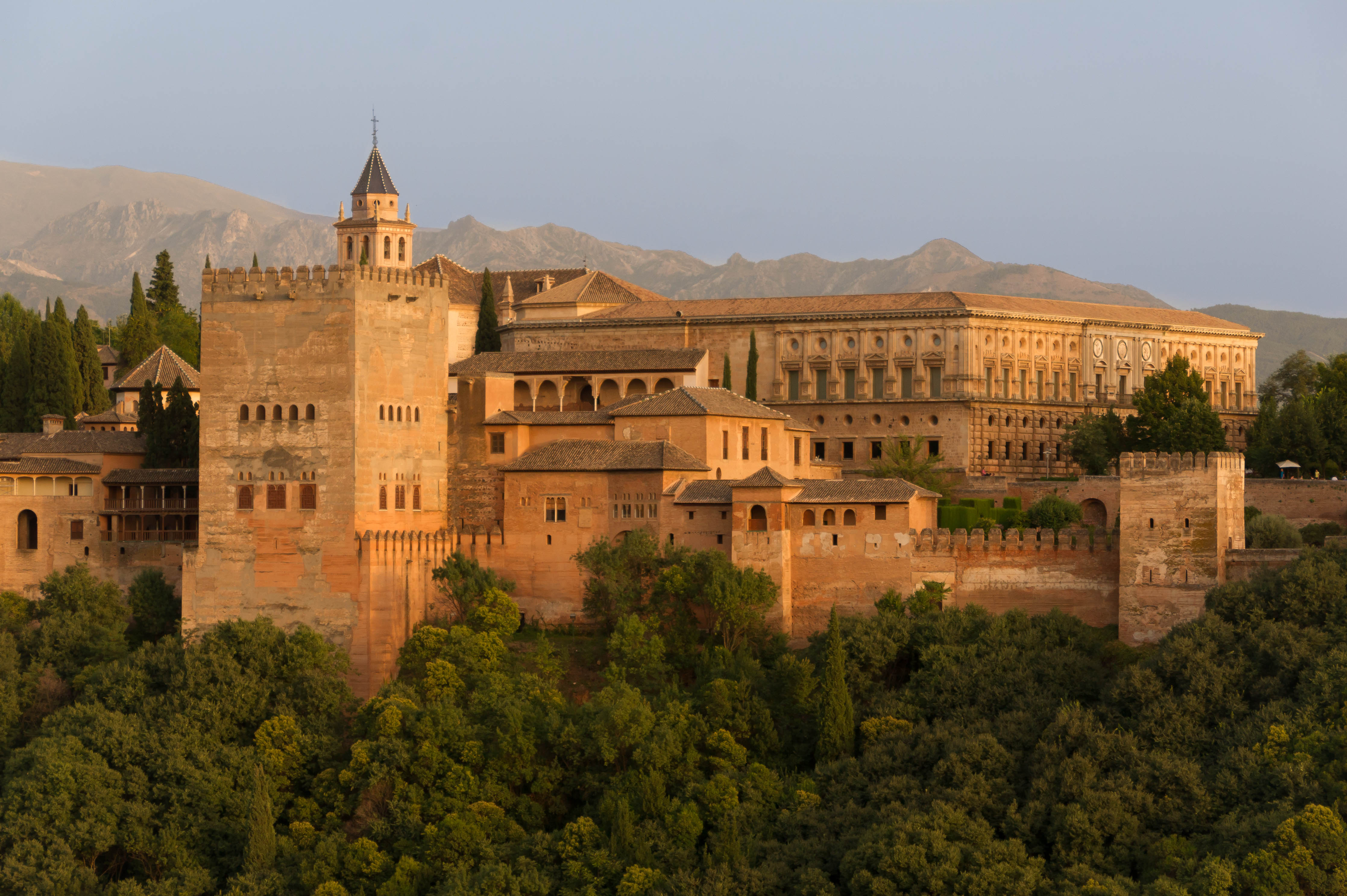
Spain is one of the most popular tourist destinations in the world because of its climate, culture, beaches and monuments.
Picture from Wikipedia

Picture from Wikipedia

Picture from Wikimedia


Sunday, 29 January 2017

WHAT'S THE TERTIARY SECTOR?

The tertiary sector, also called the service sector, is made up of businesses that offer manufactures products and services to consumers.
Picture from onjobs
We can divide these services into different areas:
  • Doctors, nurses and dentists all work in the health sector.
  • Teachers work in the education sector.
  • Public safety: police officers, firefighters, soldiers and security guards.
  • Skilled jobs: mechanics and electricians...
  • Administrative work: secretaries, bank clerks and civil servants.
  • Cultural professions: writers, musicians, actors, painters and sculptors.
  • Judicial system: lawyers, prosecutors and judges.
In Spain, more people work in the tertiary sector than in the primary and secondary combined.
About 11% of the people working in the tertiary sector work in the tourism industry. Most of them in hotels or in bars and restaurants.
About 25% of the people working in the tertiary sector do administrative jobs (bank clerks and secretaries).