Showing posts with label NATURAL SCIENCE. Show all posts

Thursday, 9 March 2017

HOW CAN WE PROTECT OUR PLANET?

What problems do non-renewable energy sources cause?
Using non-renewable energy sources causes two problems:
  • First of all, these sources are limited.
  • Secondly, these sources produce pollution such as carbon dioxide and other gases that are harmful for people and the environment. Nitrogen oxide and sulphur dioxide cause global warming and acid rain.
What are the three Rs?
To take care of our planet, we should conserve energy whenever possible. We should also use renewable sources of energy as much as possible.
The three Rs protect the environment because they help us fewer resources.
  • Reduce: buy products that don't have a lot of packaging.
  • Reuse: use glass, metal and plastic containers again and again.
  • Recycle: separate rubbish and put it in the correct bin.
Picture from testeach.com

HOW ARE SOURCES OF ENERGY CLASSIFIED?

We get energy from natural sources. They can be renewable or non-renewable.
Renewable energy sources:
  • Hydroelectric energy: we get hydroelectric energy from water that is moving or falling. The water is collected in a reservoir. Then it passes through a turbine, it generates electricity.
  • Wind energy: we get wind energy from the movement of air. The kinetic energy of the wind turns a turbine, and produces electrical energy.
  • Solar energy: we get solar energy from the Sun in the form of light and heat. Solar panels transform that energy into electrical energy.
  • Biofuels: we get biofuels from plant and animal products. Biofuels are burned in power stations to produce electrical energy.
Non renewable energy sources: Non-renewable energy is energy from sources that are limited:
  • Petroleum: this black liquid forms underground from decayed plants and animals. It's the source of the fuel oil, diesel fuel and petrol that we use for heating and running vehicles. Fuel oil is also used to produce electricity in oil-burning power stations.
  • Coal: This black rock is formed underground ffrom decayed plants. Coal is used as fuel in some industries, and to produce electricity in coal-burning power stations.
  • Natural gas: is a mixture of gases that have formed from decayed living organisms. It's found underground. Natural gas is used as fuel in many industries and to produce electricity in gas-burning power stations.
  • Uranium: this radioactive metal is found in rocks. it's used in nuclear power stations to produce heat in nuclear reactions. Electricity is produced from this heat.
Picture from caulagdeverajavier.wordpress.com


HOW DO WE MEASURE THE ENERGY IN FOOD?

The chemical energy stored in food and drinks is measured in calories. The more calories in a food, the more energy it contains. Foods like nuts, red meat and cheese have a lot of calories. Vegetables and white meat, like chicken, have fewer calories.

Picture from ladycarehealth.com
Picture from peydi.blogspot.com

WHAT' HAPPENS TO ENERGY WHEN IT'S USED?

Energy never disappears, it can be transfromed from one type of energy into another, but it doesn't disappear completely.
Some common energy transformations:
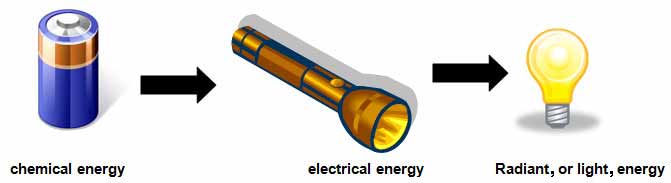
  • Chemical energy: Aeroplanes and cars transform the chemical energy in fuel and petrol into kinetic and thermal energy.
  • Electrical energy: fans and electrical drills transform electrical energy into kinetic and thermal energy.
  • Light energy: Solar panels transfrom light eenrgy from the Sun into electrical energy during the day.
Picture from Texas Gateway

Monday, 20 February 2017

HOW DO THE SIX FORMS OF ENERGY DIFFER?


Chemical energy:
This energy is stored in some substances.
Chemical energy is stored in food.
Chemical energy can be stored in batteries.
Thermal energy:
This is energy in the form of heat. Thermal energy heats objects up. When an object releases thermal energy, it cools down.
Light energy:
This is energy in the form of light. The Sun is a natural source of light energy.
Electrical energy:
This is energy in the form of electricity. Electricity travels to homes and factories in the through metal cables.
Nuclear energy:
This type of energy is stored in the atomic structure of all matter. Scientists release this energy by breaking down radioactive materials (uranium). In nuclear power stations, nuclear energy is transformed into the electrical energy that we use.

HOW MANY FORMS OF ENERGY ARE THERE?

Energy appears in many forms and is used in different ways. The main forms of energy are: mechanical, chemical, electrical, thermal, light and nuclear.
Mechanical energy:
Energy that produces movement is called mechanical energy. It's the energy that enables people and things to move, go faster or change direction.
We also use mechanical energy to change the direction that an object is travelling in.
What types of mechanical energy are there?
There are two types of mechanical energy: kinetic energy and potential energy.
Kinetic energy: this is energy in the form of movement.
Potential energy: this is energy in the form of potential movement, when tou lift an object, you give it potential energy.

Monday, 23 January 2017

WHY DO ECOSYSTEMS CHANGE?

Ecosystems change over time. Sometimes the changes are natural, but sometimes they are caused by human activity.
What causes natural changes?
Natural changes in ecosystems are caused by variations in environmental conditions, such as seasonal changes or the natural development of ecological communities.
Picture from Wikimedia
 What consequences does human activity have?
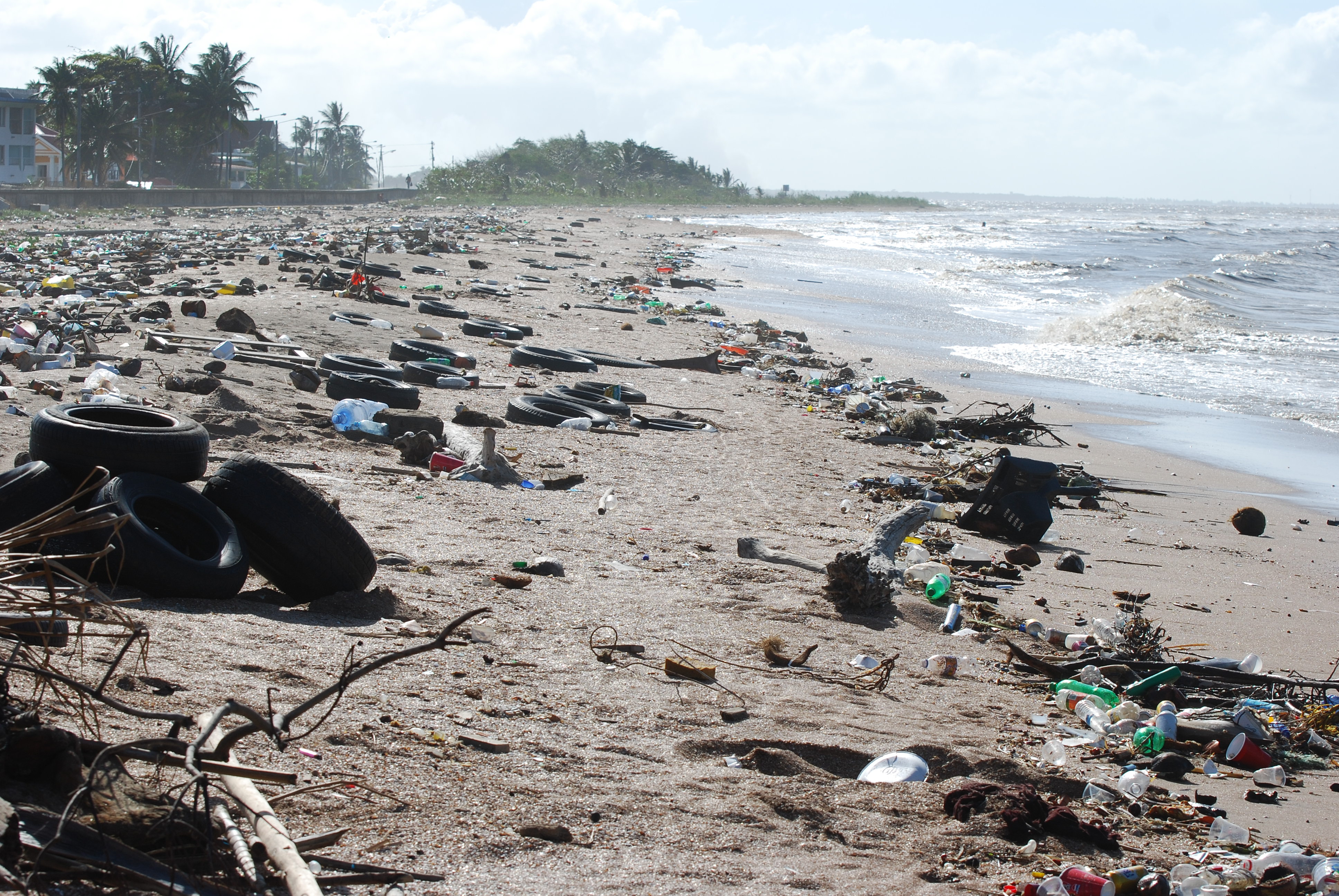
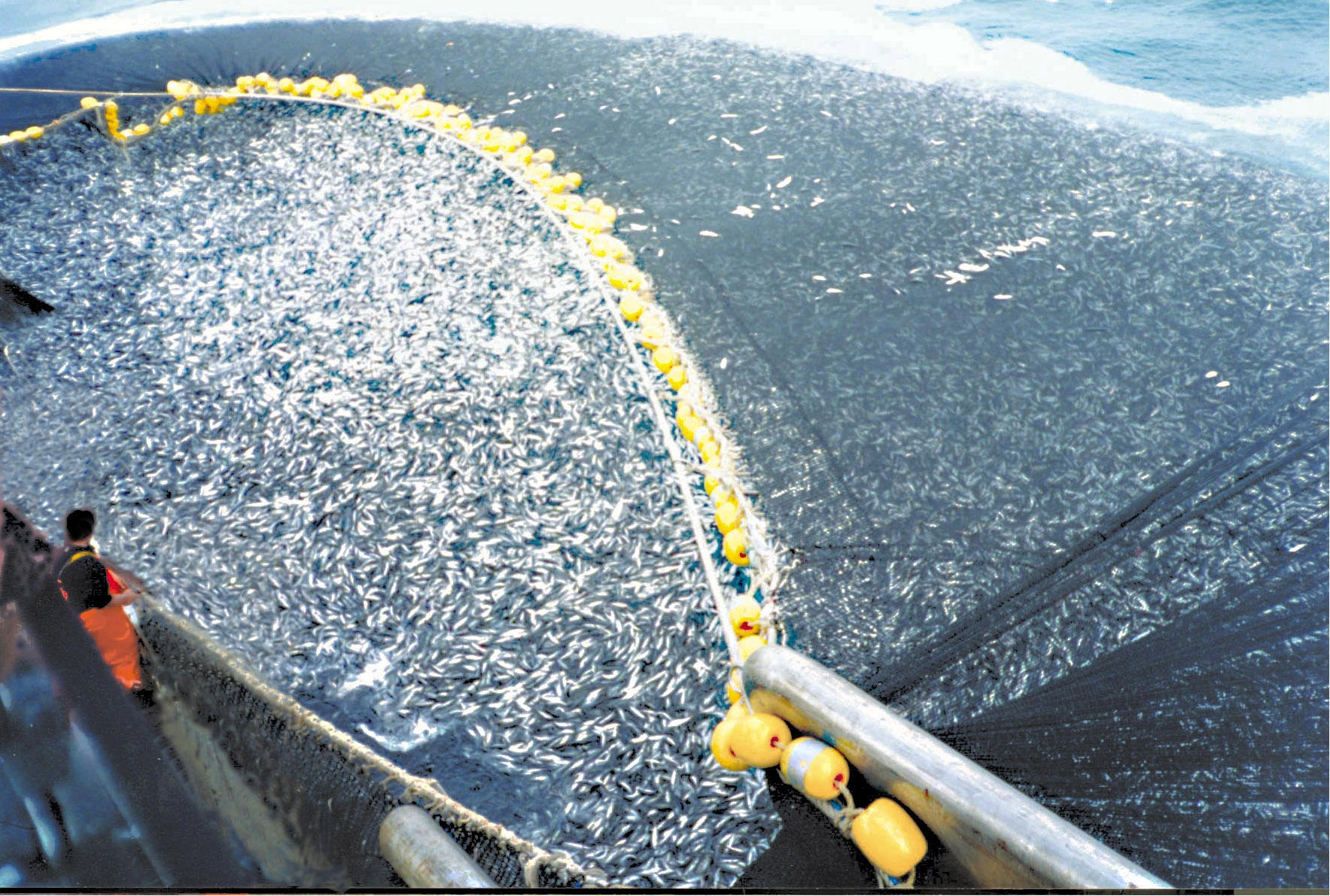
Human activities such as pollution, overfishing, forest fires and deforestation can destroy habitats or entire ecosystems.
Pollution:
Human activities often release dangerous substances into the air, water or soil. For example, waste from some industries can kill many organisms and destroy entire ecosystems.
Picture from Wikimedia
 Overfishing:
Humans take a lot of marine animals from the sea. This causes changes in the food web of marine ecosystems.
Picture from Wikimedia
 Forest fires:
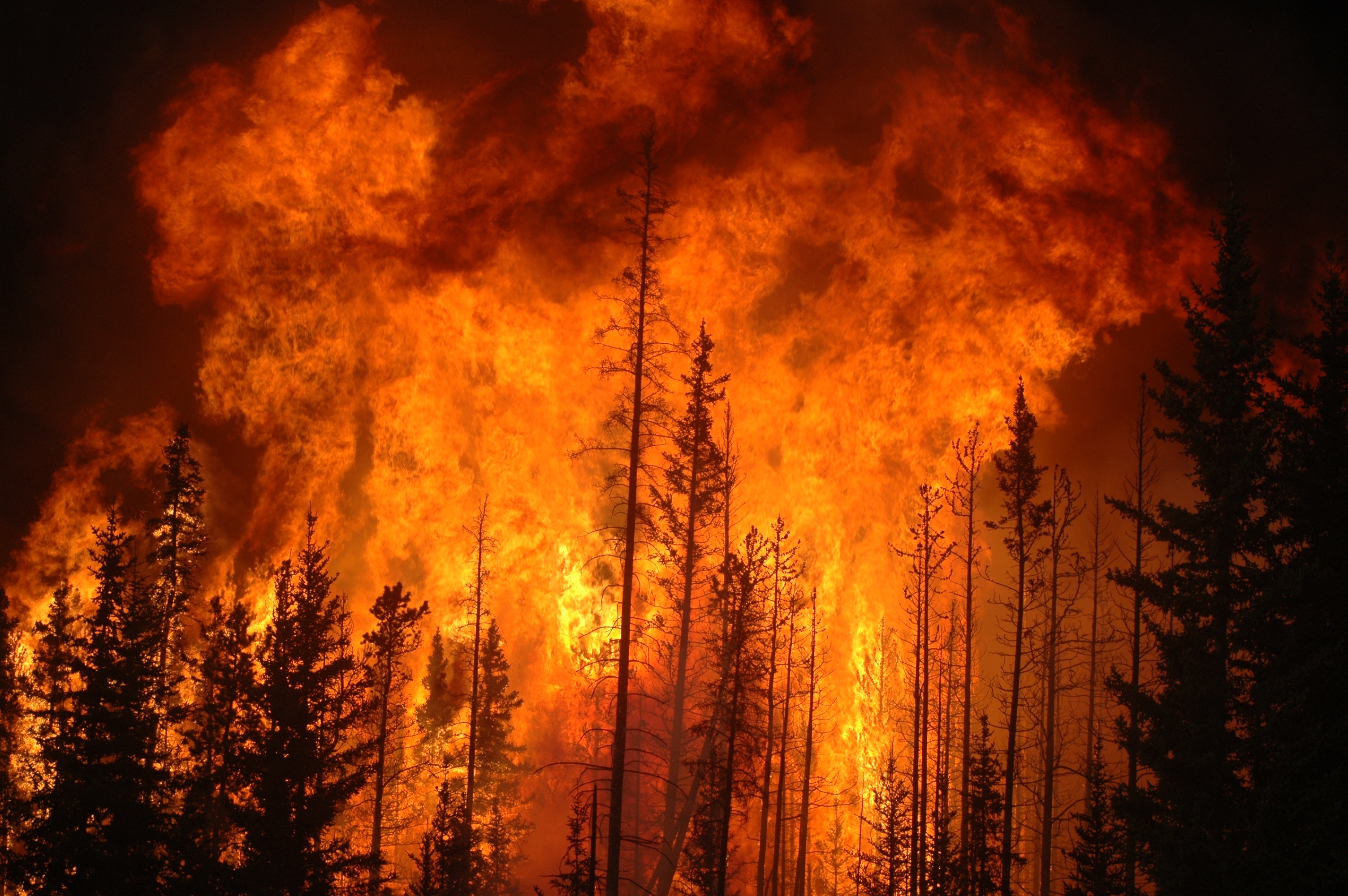
Human activity produces waste such as broken glass and cigarrettes, and barbecues can cause fires that destroy large areas of forest.
Picture from Wikimedia
 Deforestation:
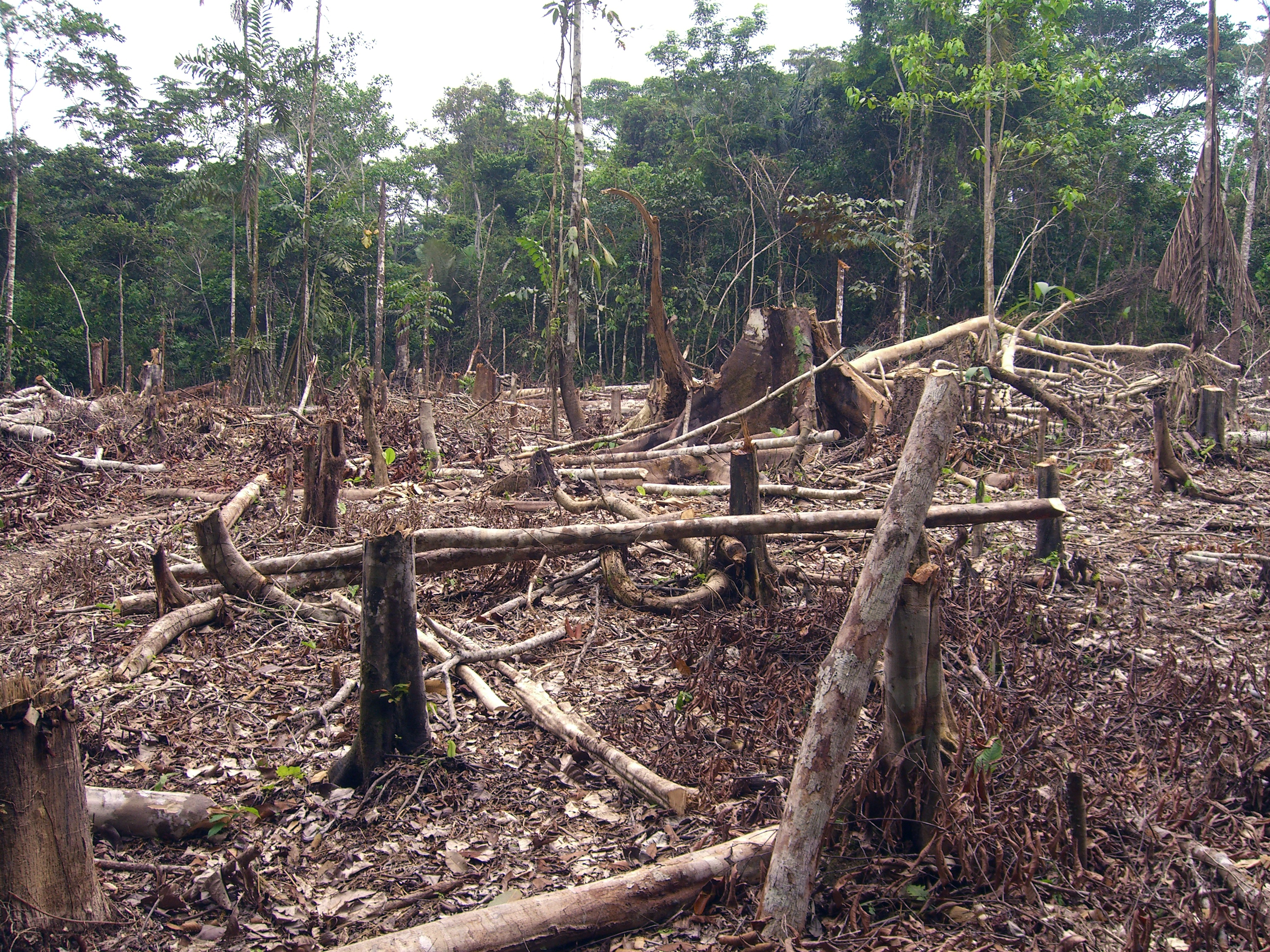
Many forests are being cut down by the wood and paper industries or by farmers to make larger farms. This can result in the destruction of the natural forest ecosystem.
Picture from Wikipedia

Friday, 20 January 2017

WHAT'S THE BIOSPHERE?

The biosphere is all of the ecosystems on the Earth. It includes the oceans, the land, the atmosphere and all the living things on the planet.
Picture from Wikipedia

Habitat
The place where a population lives is called its habitat. There can be many habitats in a single ecosystem. Sometimes living things can share a habitat.
Picture from Wikipedia

Biome
An ecosystem that has several types of habitat is called biome. For example, various habitats are found in savannahs. Some parts of the savannah have grasses and bushes. In other parts, trees can be found. Areas with ponds and small lakes form habitats for aquatic animals and plants.
Picture from wikipedia

Biosphere
The biosphere is the biggest known biome. It includes all of the habittats on Earth.

Many populations of animals can live in an ecosystem. Some of them share habitats. For example, in a rainforest ecosystem, the inmediate habitat od leafcutter ants includes the soil where they build their ant hill. Their habitat extends to the surrounding trees where the ants collect their food. The habitat of toucans includes the treetops where they live and feed. Their habitat doesn't include the soil because they don't visit that part of the rainforest.

Wednesday, 18 January 2017

HOW DO WE CLASSIFY ECOSYSTEMS

There are many types of ecosystems. To classify them, we examine their physical environment.
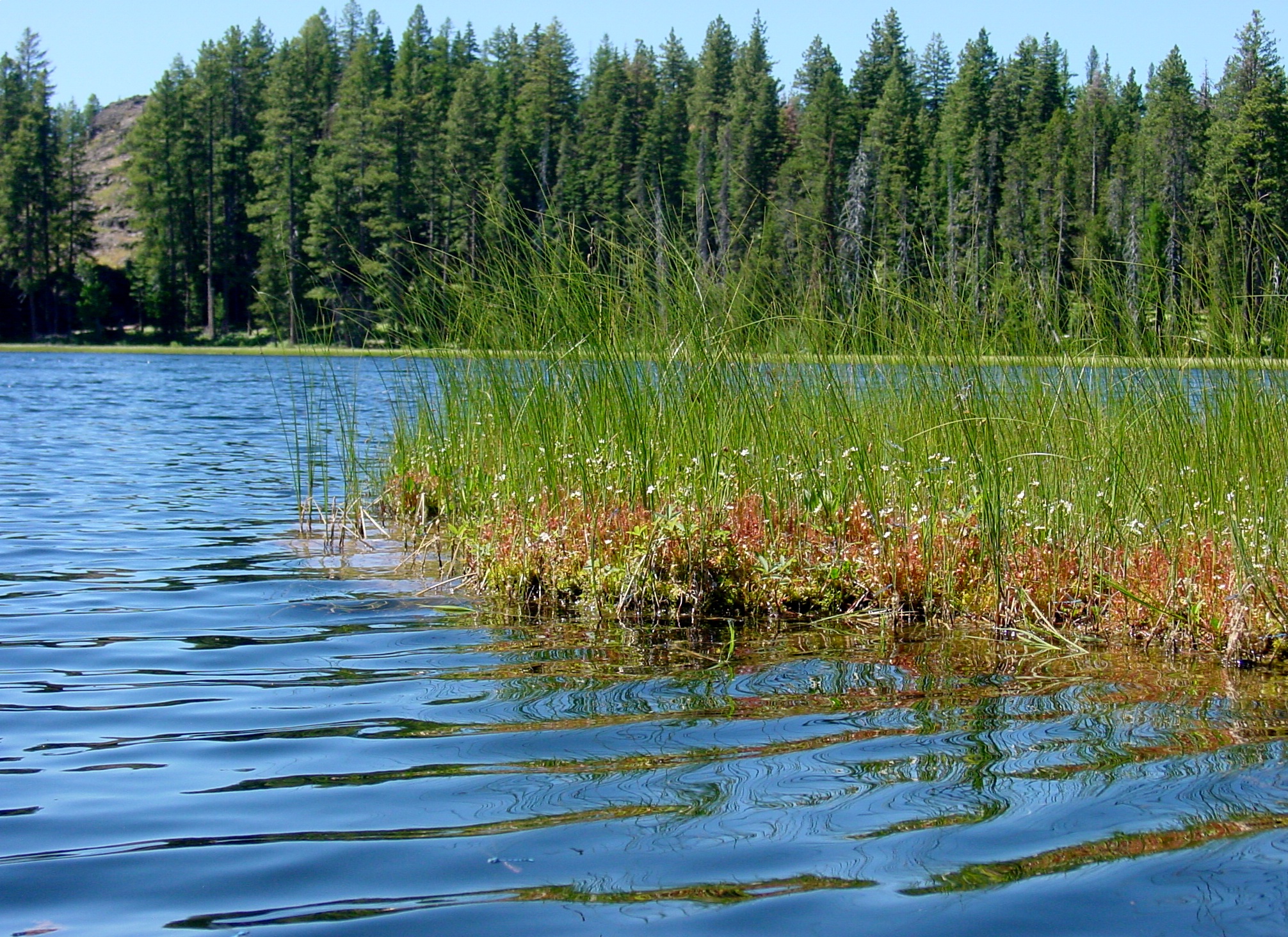
Pond ecosystems are small areasof water and their surrounding land.
The water, the soil or sand at the bottom of the pond and the banks of the pond are non-living things.
Aquatic plants such as water lilies, and animals such as ducks, turtles, pond skaters and dragonflies are found in this ecosystem.
Picture from dreamstime.

Woodland ecosystems can be flat or hilly. They sometimes have mountains and valleys.
There are non-living things such as soil and rocks, rivers or streams and also dead leaves and branches.
Among the living things, there are plants such as trees and shrubs. Many animals live here: snakes, squirrels, birds and insects such as beetles and ants.
Picture from BBC
Coast ecosystems have non-living things, such as the land and water along the coast, beaches, cliffs, dunes and rock pools.
Many different living things are found there: plants such as seaweed and dune grasses, and animals such as seagulls, fish and starfish.
Picture from USGS

Prairie ecosystems are large, flat areas.
The non-living things include soil and often rivers or lakes.
There are a variety of living things. Grasses and shrubs grow there, so prairies are sometimes called grasslands or savannahs.Zebras, rabbitsand owls, and insects such as grasshoppers and ants, are commonly found there.

Picture from livescience
City ecosystems can be flat or hilly with rivers or lakes, or on the coast. Buildings and roads are some of the non-living things in cities, but there are a variety of living things too.
Cities often have parks and gardens. Grasses, trees and bushes can all be found in most cities. Cities are home to many types of birds, such as mice, lizards, insects and sometimes foxes, can also be found.
Picture from The conversation.

Saturday, 14 January 2017

WHAT ARE TROPHIC RELATIONSHIPS?

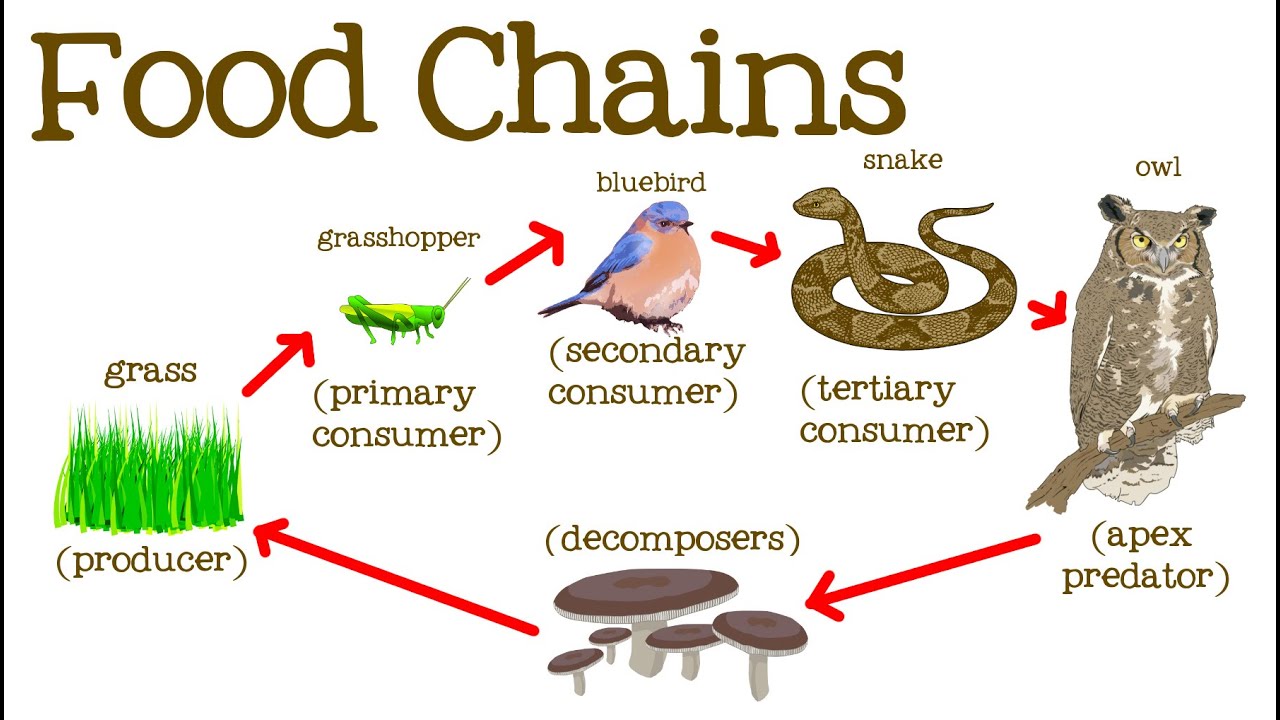
The relationships between the organisms that eat and the organisms that are eaten are called trophic relationships.
Producers (plants) make their own food.
Herbivores are primary consumers, they feed on plants.
Carnivores are secondary consumers, they feed on herbivores.
Other carnivores are tertiary consumers, they feed on secondary consumers.
Decomposers break down the remains of dead organisms.
A food chain shows the trophic relationships between different organisms.
Picture from the video:

Food Chains for Kids: Food Webs, the Circle of Life, and the Flow of Energy - FreeSchool

Thursday, 12 January 2017

WHAT'S AN ECOSYSTEM?

We can find life in all types of climates and landscapes. All of these places and the organisms that live in them form a variety of ecosystems.

Ecosystems:
An ecosystem is made up of two parts, the biotope and the biocoenosis.
  • The biotope, or phisical environment includes all of the non-living things in an ecosystem (geographical relief, soil, light and temperature).
  • The biocoenosis includes all the living things in an ecosystem (plants, animals and other organisms).
There can be many different organisms in an ecosystem.
  • A population is a group of organisms that live together and belong to the same species.
  • A community is a collection of different populations that live together in one place.
In an ecosystem, we can classify the relationships betweeen individual organisms.
  • Intraspecific relationships exist between individual members of the same species.
  • Interspecific relationships exist between individual members of different species.

Monday, 21 November 2016

WHAT ARE THE MONERA, FUNGI AND PROTISTA KINGDOMS LIKE?

What are the characteristics of fungi?
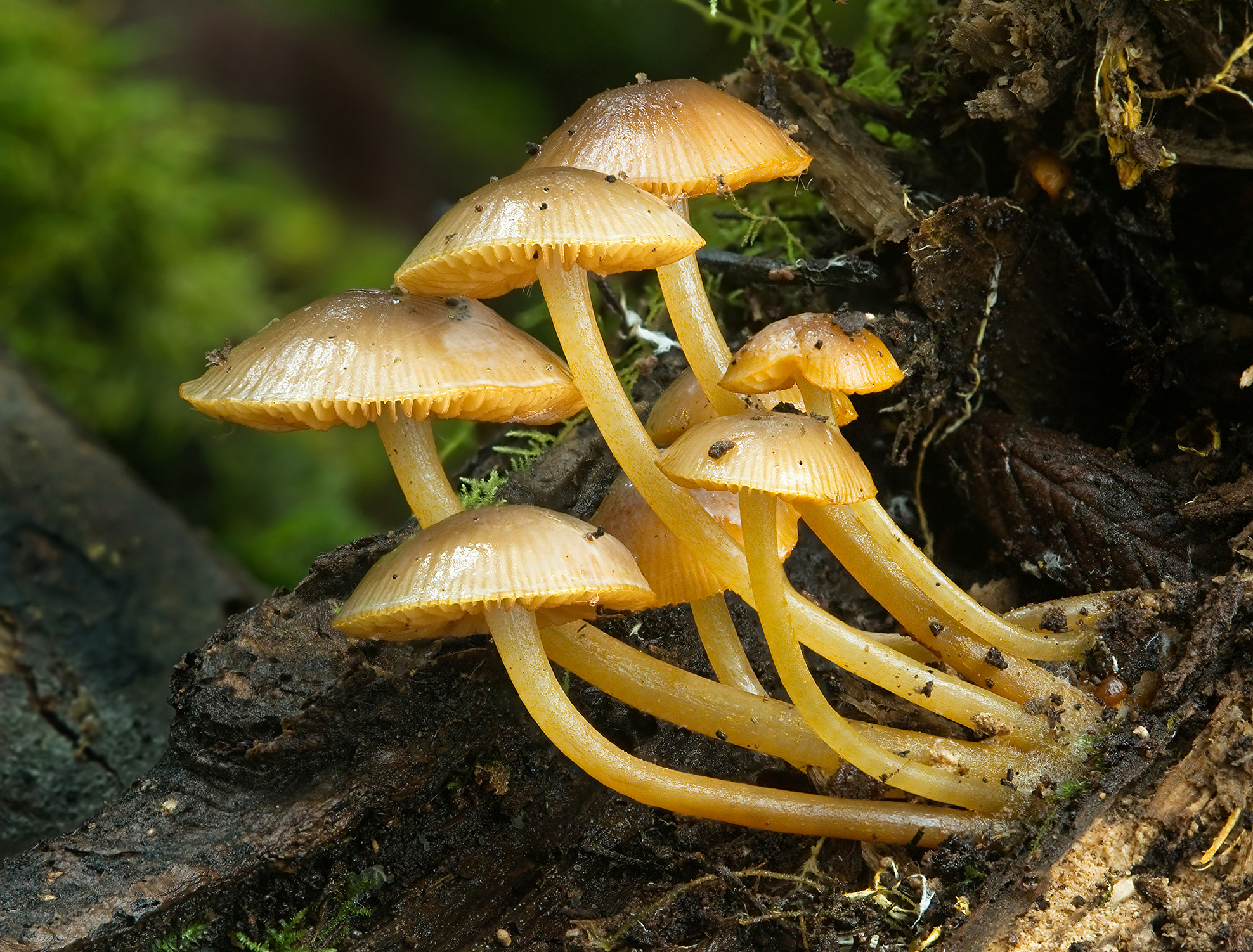
Mushrooms, mould and yeast are all fungi. They have several characteristics in common.
Fungi bodies: Most fungi are multicellular organisms, but some are unicellular, like yeast and mould. Many multicellular fungi consist of a cap, a stem and a networkof hyphae, long tubular structures.
Reproduction: Fungi produce spores that are carried by the wind.
Nutrition: Fungi produce a substance which breaks down plant and animal matter. This enables the fungus to absorb the nutrients from the decaying matter.
Mushrooms, By JJ Harrison (jjharrison89@facebook.com) (Own work) [CC BY-SA 3.0 (http://creativecommons.org/licenses/by-sa/3.0)], via Wikimedia Commons
What are the characteristics of monerans?
Monerans  are microscopic, but not all share the same characteristics.
Moneran shapes: Monerans are simple unicellular organisms; they don´t have bodies. The shape of the cell varies according to the type of organism.
Extremities: Some monerans have a tail that helps them to move around. Others don't move, they stay in one place.
Nutrition: Some monerans produce a substance that breaks down plant or animal matter: they are heterotrophs. This helps them to absorb nutrients. Other monerans make their own food, they are autotrophs.
Reproduction: Most monerans reproduce by dividing. That is, one cell becomes two separate cells.
By Credit: Rocky Mountain Laboratories, NIAID, NIH [Public domain], via Wikimedia Commons

What is the Protista kingdom like?

Algae and protozoa belong to this Kingdom. There is a wide variety of protists. Each type has specific characteristics.
Protists shapes: Protists can be unicellular or multicellular.
Reproduction: Protists reproduce in two ways. Some produce spores; algae cells divide into two.
Nutrition: Some algae contain chlorophyll and carry out photosynthesis to produce food. They are autotrophs. Others are heterotrophs.
Movement: Some, such as protozoa, don't move. Others move in different ways. Amoebas, for example, move with pseudopods, or false feet, but paramecium move using cilia.
By CDC/ Dr. Stan Erlandsen [Public domain], via Wikimedia Commons

Tuesday, 15 November 2016

HOW CAN WE CLASSIFY PLANTS?

Plants form one of the five kingdoms of living things. As members of the same kingdom, all plants have some characteristics in common.

We can classify plants into groups depending on their characteristics:
SEED PLANTS: seed plants reproduce by creating seeds. There are two main types of seed plant:

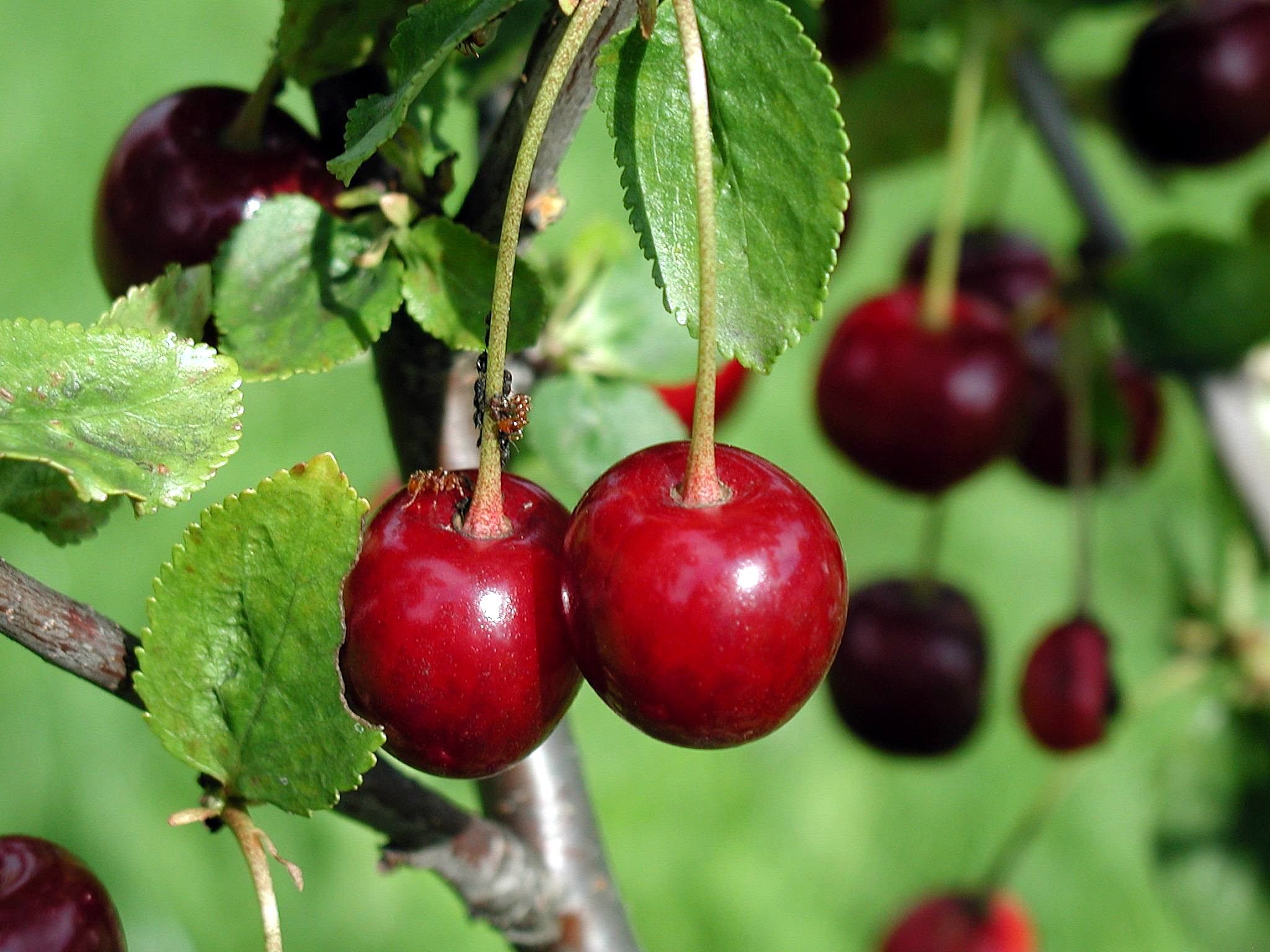
  • Angiosperms (or flowering plants): angiosperms grow flowers. Fruit grows from the flowers and the seeds grow inside the fruit.
    By Paolo Neo [Public domain], via Wikimedia Commons
    By A. Felber (fotografed by myself) [GFDL (http://www.gnu.org/copyleft/fdl.html) or CC BY-SA 3.0 (http://creativecommons.org/licenses/by-sa/3.0)], via Wikimedia Commons
  • Gymnosperms (conifers): gymnosperms produce cones. The seeds grow inside the cones. Some conifer seeds are called nuts. 
    Kevin Hale [CC BY-SA 2.0 (http://creativecommons.org/licenses/by-sa/2.0)], via Wikimedia Commons
    By brewbooks from near Seattle, USA (Bunya Pine cone Showing Bunya nuts) [CC BY-SA 2.0 (http://creativecommons.org/licenses/by-sa/2.0)], via Wikimedia Commons
NON-SEED PLANTS: some plants don´t have seeds. They produce special cells called spores. When spores fall to the ground, they grow into new plants:
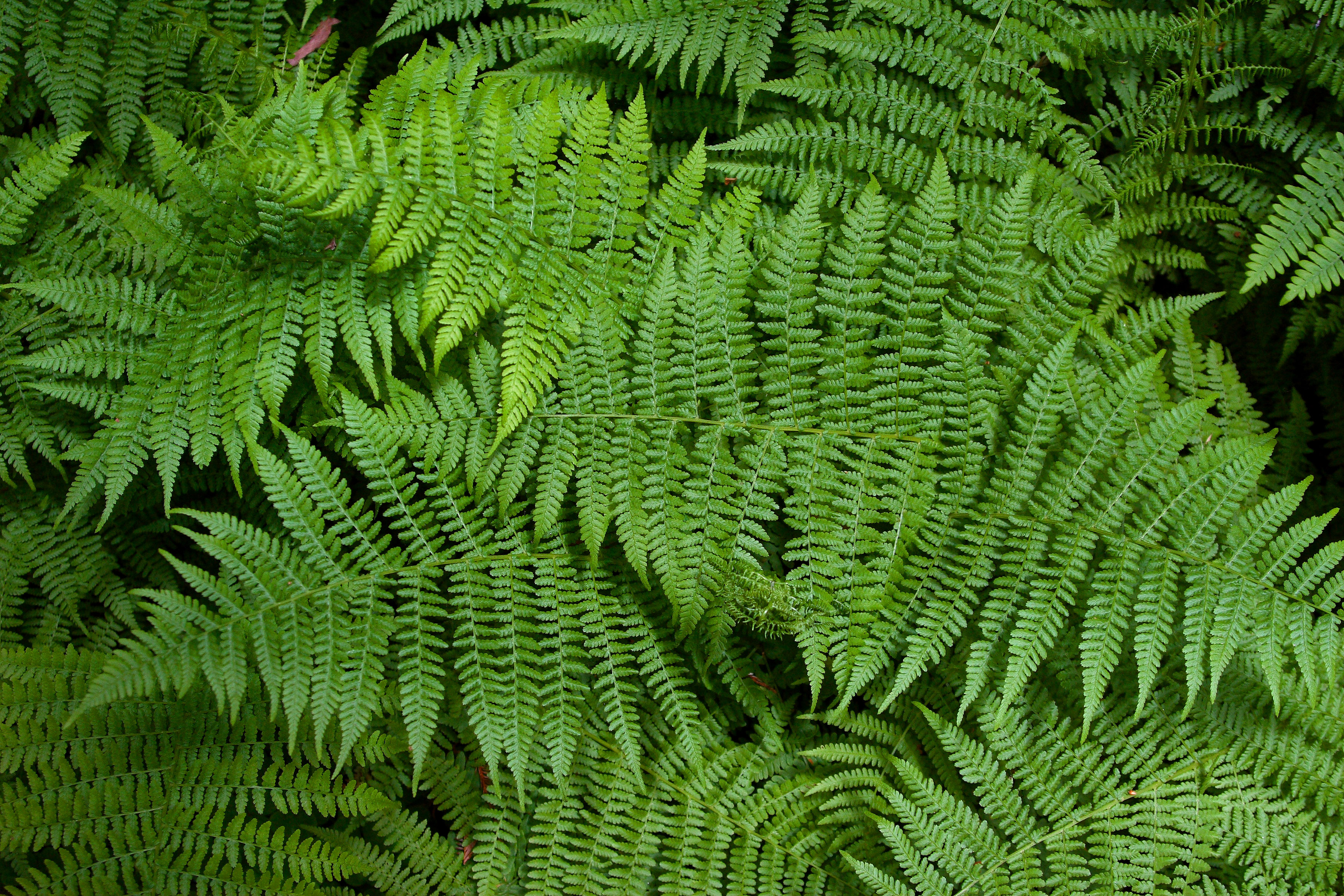
  • Ferns: ferns have special leaves called fronds. ferns are anchored to the ground by their roots. The roots also absorb water and nutrients from the soil.
    By Sanjay ach (Own work) [GFDL (http://www.gnu.org/copyleft/fdl.html) or CC-BY-SA-3.0 (http://creativecommons.org/licenses/by-sa/3.0/)], via Wikimedia Commons
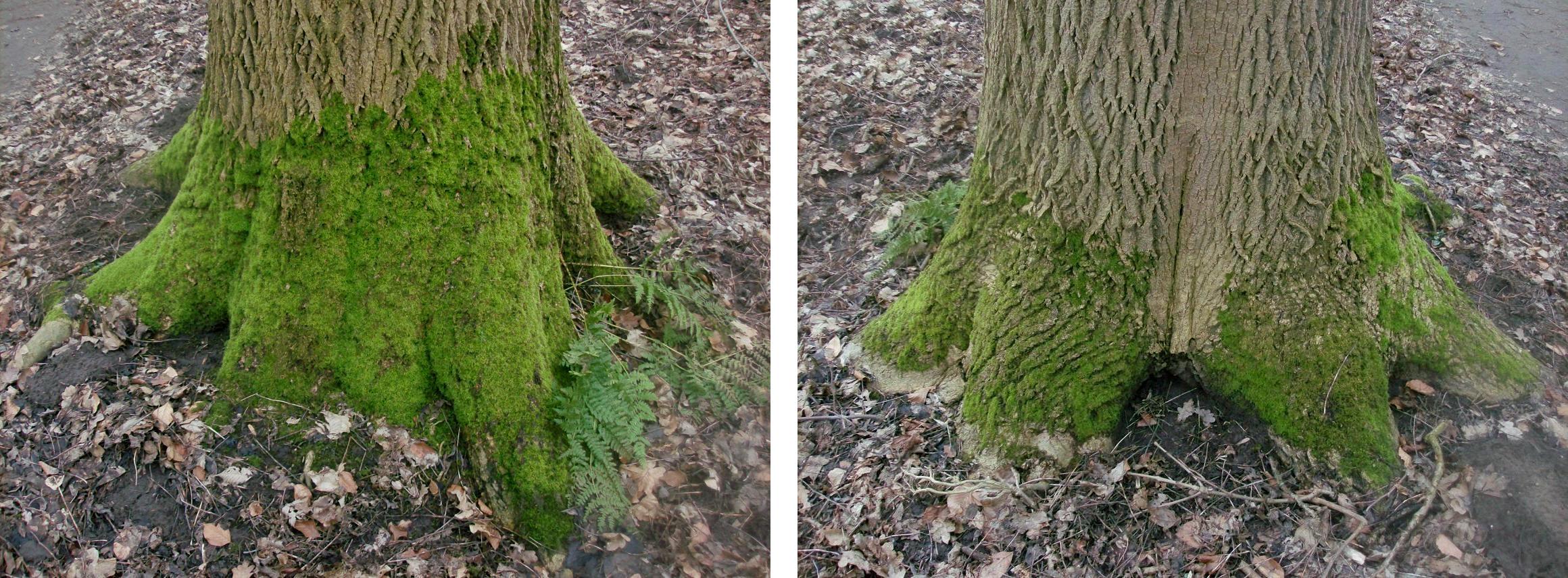
  • Mosses: mosses produce capsules. Mosses don't have roots. They are anchored to the ground by rhizoids. Mosses absorb water and nutrients through the rhizoids, stem and leaves.
    By V. van Zeijst [CC BY 3.0 (http://creativecommons.org/licenses/by/3.0)], via Wikimedia Commons


Monday, 14 November 2016

HOW DO WE CLASSIFY INVERTEBRATE ANIMALS?

Animals that don´t have a spinal cord are called invertebrates. Invertebrate animals are classified into six groups: arthropods, molluscs, porifera, coelenterates, echinoderms and annelids.

Molluscs. These invertebrates have soft bodies, and most also have a hard shell. They absorb oxygen through gills, and reproduce by laying eggs.

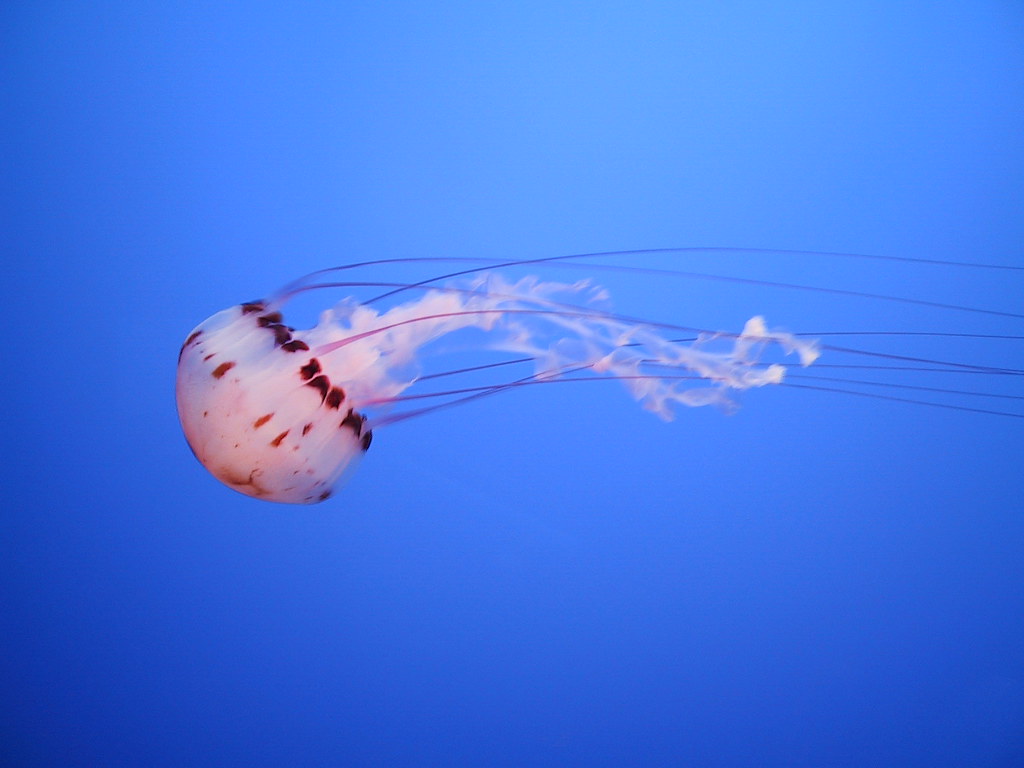
Coelenterates. These animals have a soft body. Some have long tentacles. They absorb oxygen through their skin. They reproduce by growing a bud, or small body part. Eventually the bud breaks off and grows into a new organism.
Jellyfish are coelenterates. Photo from flickr by NBPhotostream
Porifera (or sponges). These invertebrates have a soft body with holes called pores. They absorb oxygen and nutrients through the pores. They reproduce by forming buds.
By Nhobgood Nick Hobgood (Own work) [CC BY-SA 3.0 (http://creativecommons.org/licenses/by-sa/3.0) or GFDL (http://www.gnu.org/copyleft/fdl.html)], via Wikimedia Commons
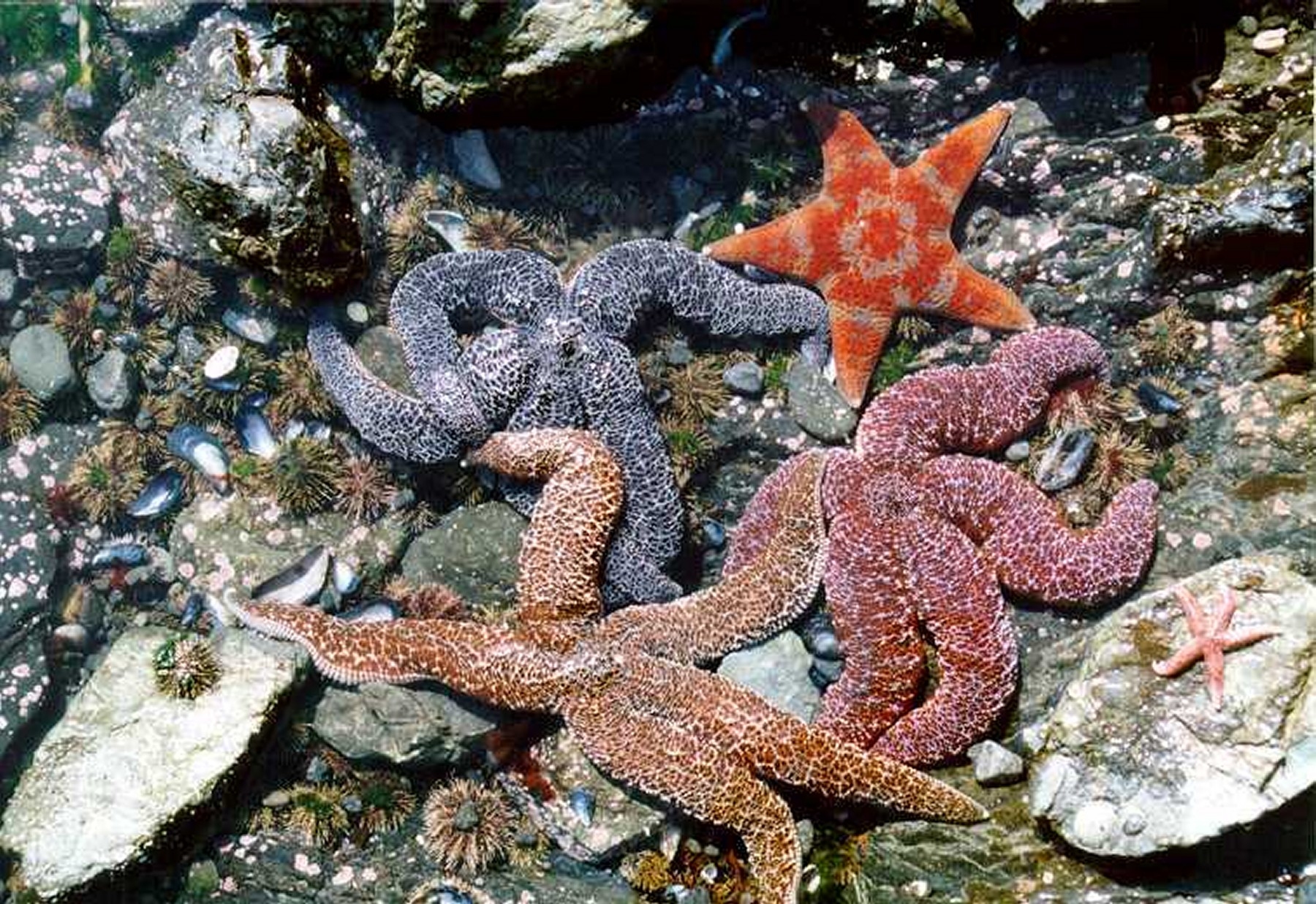
Echinoderms. These animals have bodies covered with sharp spikes. Some also have arms and tentacles. Some echinoderms have gills, others absorb oxygen through their skin. Echinoderms are oviparous.
Photo from wikimedia.
Arthropods. These invertebrates have an exoskeleton and jointed legs that bend. Some arthropods have simple lungs. Others absorb oxygen through their gills. Arthropods are oviparous.

Annelids. These animals have a long, soft body that is divided into rings called segments. Some annelids absorb oxygen through their skin, but other have gills. Annelids can reproduce by budding, but some are oviparous.

Shells, exoskeletons and soft bodies with no protective body covering are the three types of body coverings found in invertebrates. Each one is typical of a specific type of invertebrate.


Sunday, 13 November 2016

WHAT OTHER GROUPS OF VERTEBRATES ARE THERE?

What are the characteristics of fish?
Respiration. Fish breathe with their gills. The gills absorb the oxygen from the water and pass it into the blood.
Fish bodies. Fish have a long body that is covered with scales.
Extremities. Fish have fins and tails. They use them to swim.
Reproduction. Almost all fish are oviparous. The females produce eggs and lay them in the water.
Photo by Adam Summers via cultura inquieta. Click on the link and you'll see lots of incredible pictures.

What are the characteristics of birds?
Respiration. Birds have lungs to breathe air.
Bird bodies. Birds have aerodynamic bodies. Their bones are thin and light, with lots of air spaces inside. These characteristics make it easier for them to fly.
Extremities. Birds have four extremities: two legs and two wings.
Reproduction. Birds are oviparous. Like reptiles, amphibians and fish, birds lay eggs.

What are the characteristics of amphibians?
Amphibian bodies. Amphibians have thin, smooth skin.
Extremities. Amphibians have four legs.
Respiration. When amphibians are young, they breathe in water. When amphibians become adults, they grow lungs, breathe air and live on land.
Reproduction. Amphibians are oviparous.

Saturday, 12 November 2016

HOW DO WE CLASSIFY VERTEBRATE ANIMALS?

Vertebrates are multicellular animals that have a spinal column. They are classified into five groups: mammals, reptiles, fish, birds and amphibians.

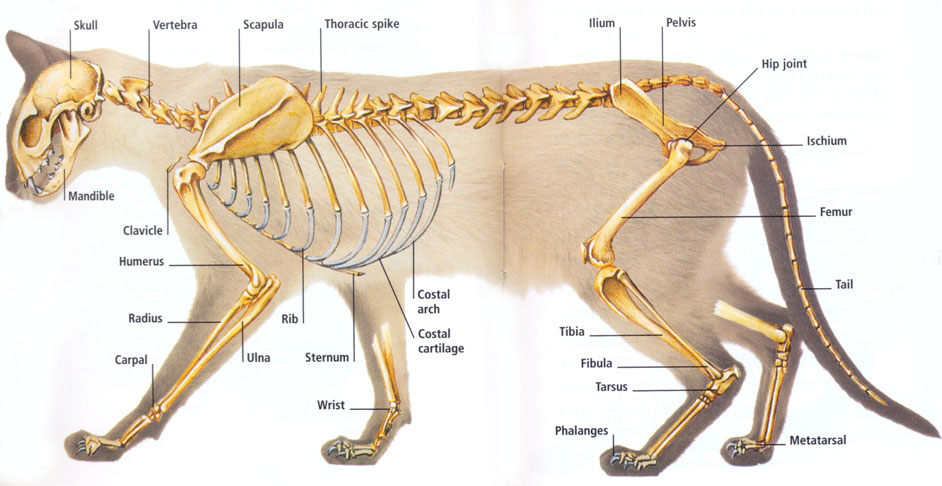
What are the characteristics of mammals?
Respiration: All mammals have lungs to breathe air.
Mammals' bodies: Skin and hair cover mammals' bodies. In some animals, the hair is thick and called fur.
Extremities: Most terrestrial mammals have four legs, but human beings have two legs and two arms. Aquatic mammals have fins fro swimming. Many terrestrial mammals also have a tail.
Reproduction: Almost all mammals are viviparous. This means that female mammals give birth to live young. They produce milk to feed their young.
Photo from Fascinating animals from Feline anatomy.
Photo from Dolphins by Miss Hilda


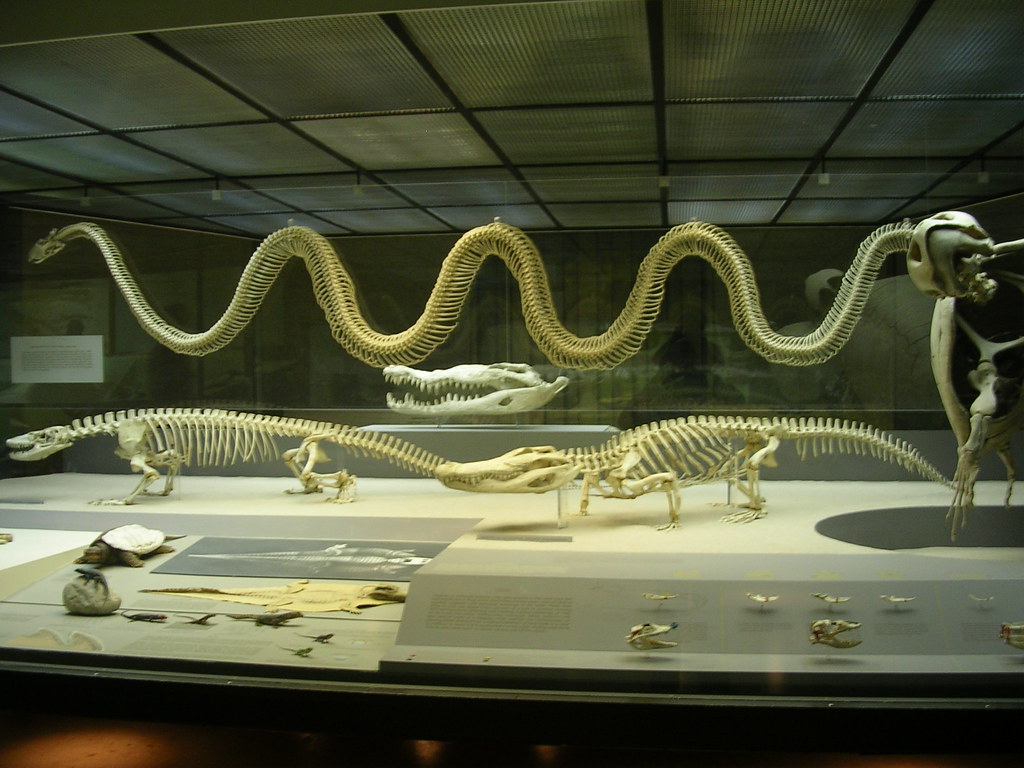
What are the characteristics of reptiles?
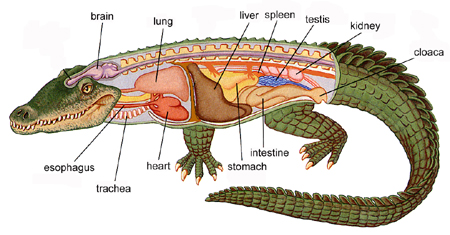
Reptile bodies: Reptiles have hard scales to protect their body. Some reptiles have a hard shell.
Reproduction: Reptiles are oviparous animals. Their young are born from eggs. Reptiles lay their eggs on land.
Respiration: Reptiles have lungs to breathe air.
Extremities: Many reptiles have four legs, but snakes are reptiles that don't have legs.
Photo via flickr by pabloskijj.
Photo from understanding vertebrates.

WHAT SYSTEMS DO LIVING THINGS HAVE?

Animal bodies are made up of several systems. Animals and human beings carry out the basic life process of interaction, nutrition and reproduction with these systems.

Nutrition:
Our digestive system uses the food and water we eat or drink to provide energy for our muscles. The respiratory system absorbs oxygen and the circulatory system transports it to our muscles so we can move and grow.
Interaction:
The sense organs, the nerves and the brain form the nervous system: it detects information. The muscular and skeletal systems enable us to react to that information.
Reproduction:
Our reproductive system enables us to reproduce by having children. To reproduce, male and female cells combine and slowly develop into an embryo, and then a foetus. The foetus grows into a baby in its mother's uterus.

HOW ARE PLANTS ORGANISED?

Plants have cells, tissues, organs and systems.

Cells:
Plant cells have a rigid cell wall. Photosynthesis takes place in leaf cells. Those cells contain a green liquid called chlorophyll and a liquid called sap that is used to make food for the plant.
Tissue:
Plant tissue is made up of many cells joined together.
Organs:
Organs are made up of tissue. A leaf is an organ.
Systems:
Systems are groups of organs and tissue that work together to carry out a function.

Roots:
The functions of the roots is absorb wter and nutrients from the soil. root cells have root hairs. As a result, the roots can absorb more water and minerals.

HOR ARE ANIMALS ORGANISED?


Cells:
Multicellular organisms have many types of cells. The cells are different shapes according to their function.
Tissue:
Cells join together to form tissue. Each type of tissue has a specific function.
Organs:
Organs are made up of different tissues.
Systems:
Systems are groups of organs that work together to perform a function.

There are many types of cells in multicellular organisms. Each type has a specific function and a unique appearance:
Red blood cells. They are flat and circular. They carry oxygen from the lungs to the muscles and organs.
Nerve cells. They are star-shaped. They transmit nerve impulses from different parts of the body to the brain.
Reproductive cells. They enable us to reproduce. Female reproductive cells are spherical. Male reproductive cells are oval with a long tail.

Friday, 11 November 2016

WHAT ARE LIVING THINGS MADE UP OF?

All living things are made up of cells. Cells are the basic units of life. They are living things. Cells are very small.
Cells carry out the basic life processes of interaction, nutrition and reproduction.

Animal cell.
The nucleus controls everything that happens inside the cell.
The membrane surrounds and protects the cell.
In the cytoplasm, we find special organelles that carry out different life processes.
The cytoplasm is a thick, clear liquid protected by the membrane.

Plant cell.
In the cytoplasm of plant cells,there are special organelles called chloroplasts. They contain a green liquid called chlorophyll.
Plant cells have a rigid cell wall around the membrane. This helps support the plant.
Plant cells have a vacuole, which is like a bag. Food and water are stored in the vacuole. When a plant doesn't have enough water, the plant loses its rigid structure and begins to wilt.

Unicellular and multicellular organisms.
Some living things, such as bacteria or yeast, are made up of only one cell. They're unicellular organisms.
Other living things, such as trees or butterflies, have many cells. They're multicellular organisms.