Showing posts with label ECOSYSTEMS. Show all posts

Monday, 23 January 2017

WHY DO ECOSYSTEMS CHANGE?

Ecosystems change over time. Sometimes the changes are natural, but sometimes they are caused by human activity.
What causes natural changes?
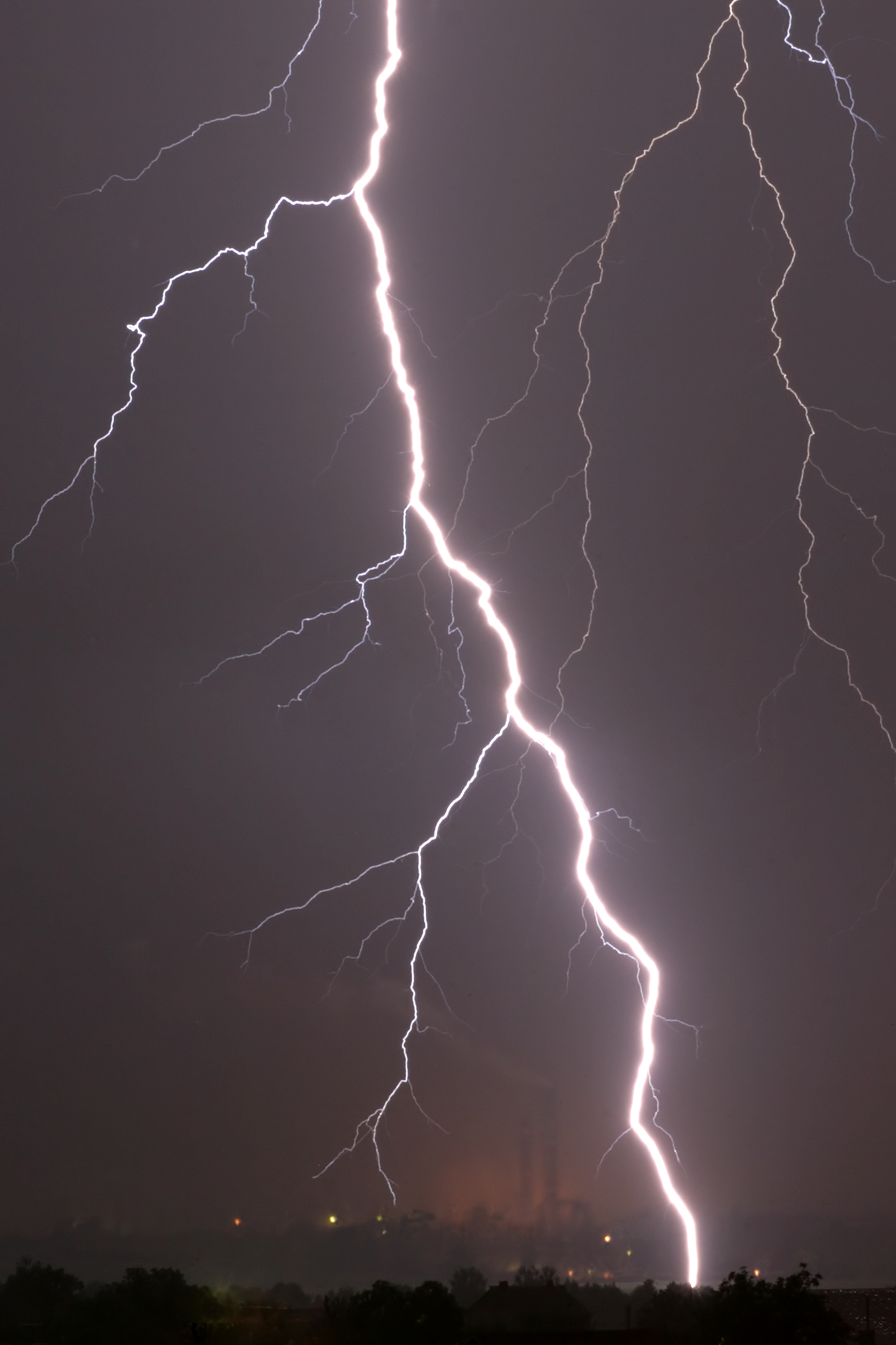
Natural changes in ecosystems are caused by variations in environmental conditions, such as seasonal changes or the natural development of ecological communities.
Picture from Wikimedia
 What consequences does human activity have?
Human activities such as pollution, overfishing, forest fires and deforestation can destroy habitats or entire ecosystems.
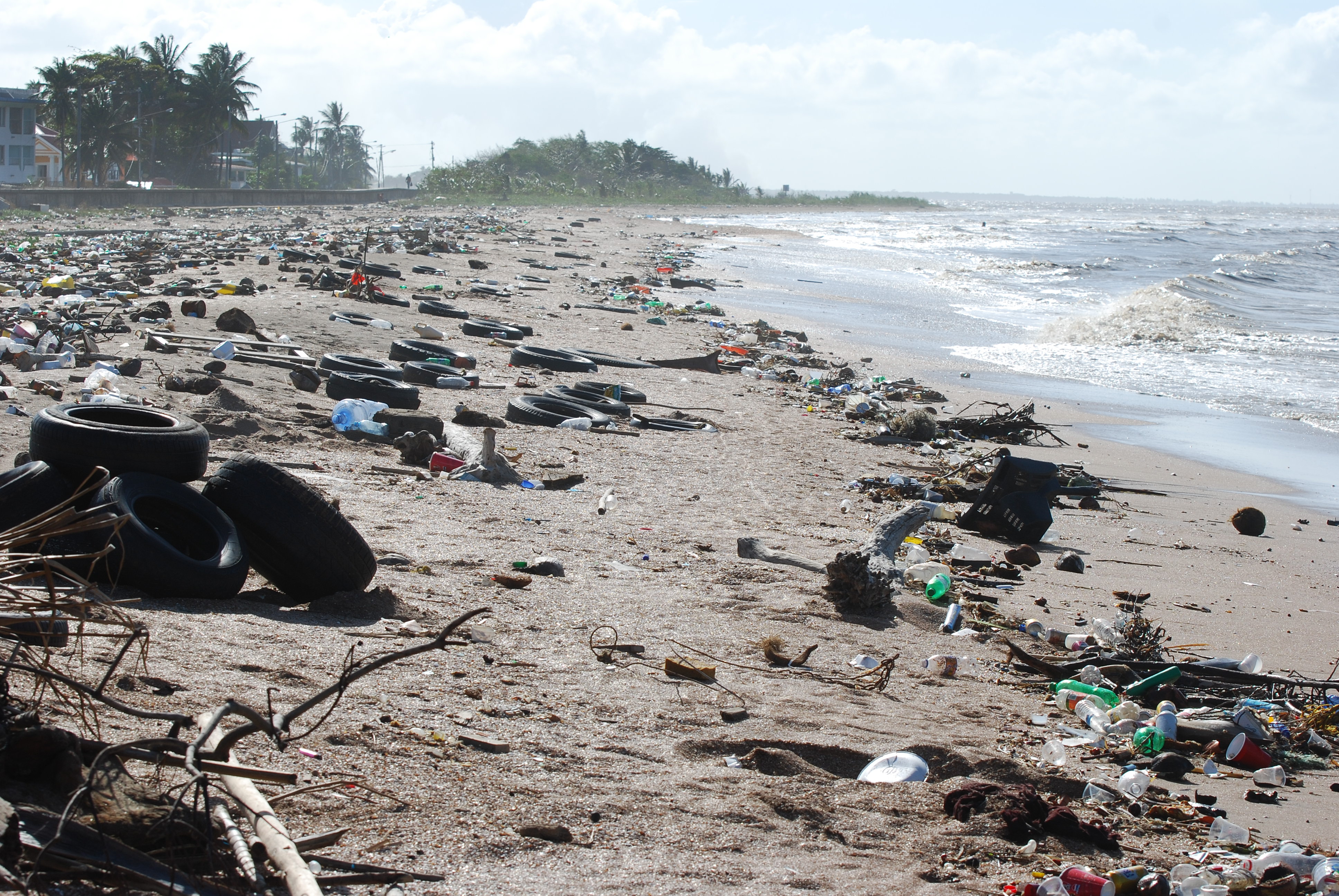
Pollution:
Human activities often release dangerous substances into the air, water or soil. For example, waste from some industries can kill many organisms and destroy entire ecosystems.
Picture from Wikimedia
 Overfishing:
Humans take a lot of marine animals from the sea. This causes changes in the food web of marine ecosystems.
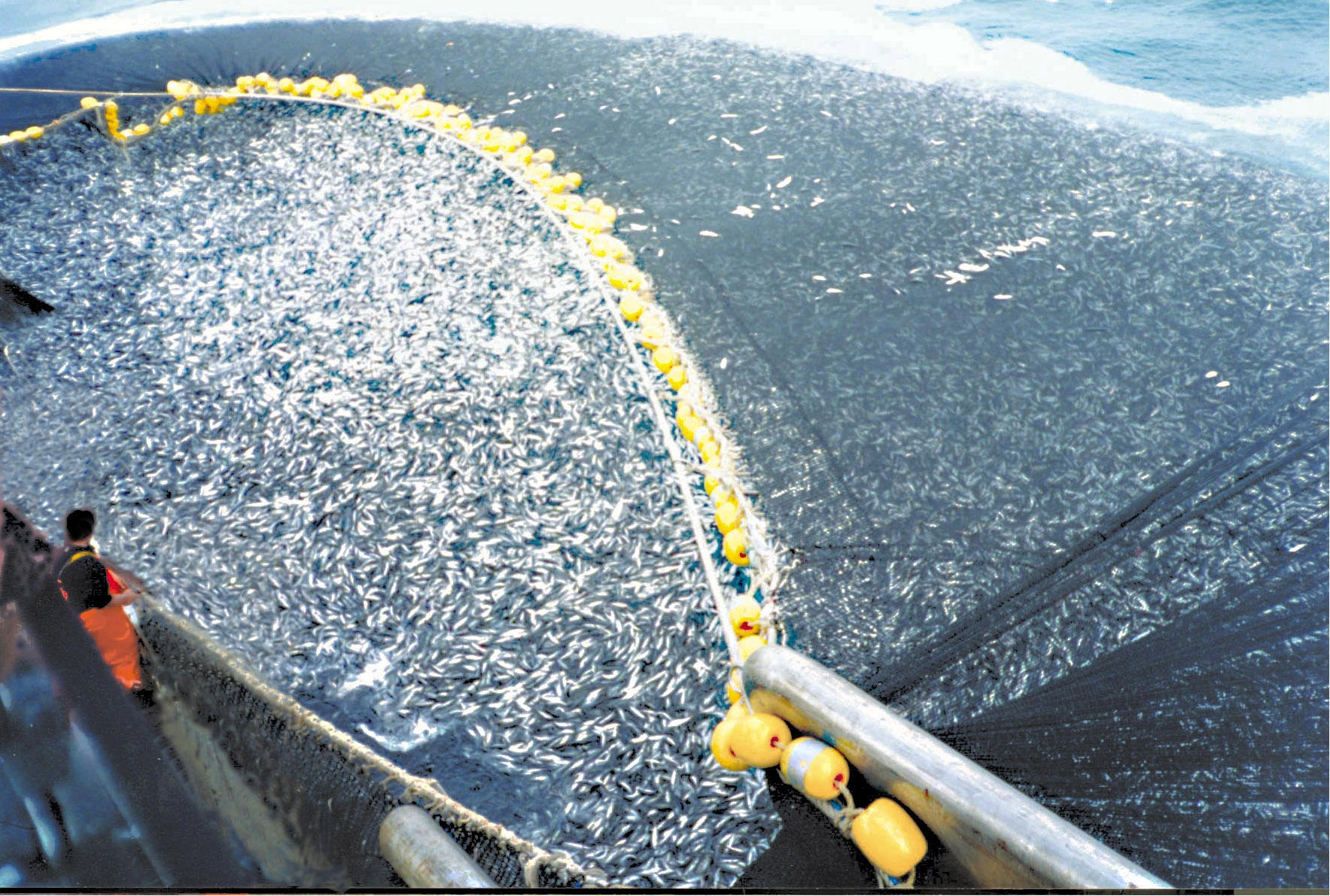
Picture from Wikimedia
 Forest fires:
Human activity produces waste such as broken glass and cigarrettes, and barbecues can cause fires that destroy large areas of forest.
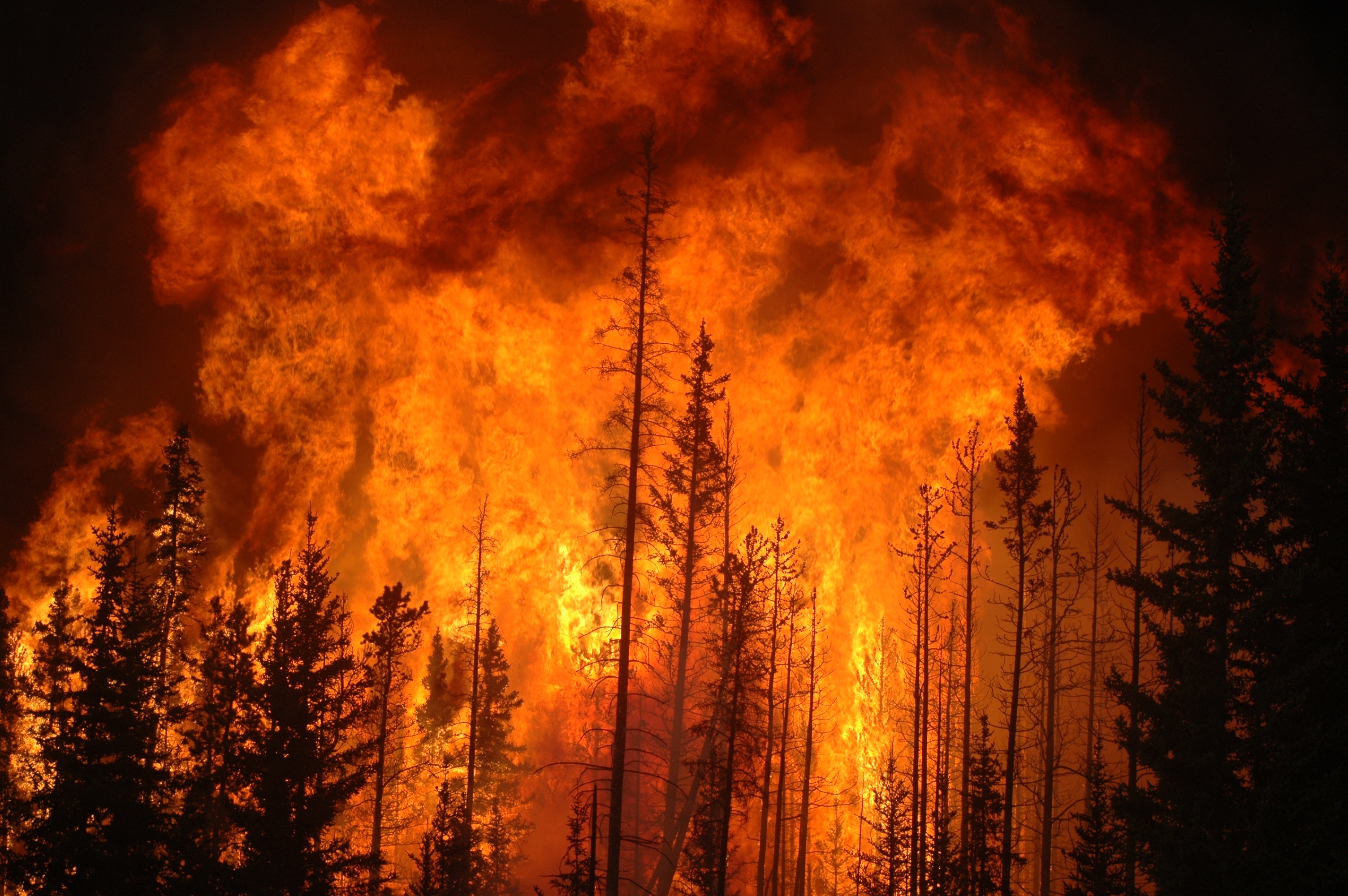
Picture from Wikimedia
 Deforestation:
Many forests are being cut down by the wood and paper industries or by farmers to make larger farms. This can result in the destruction of the natural forest ecosystem.
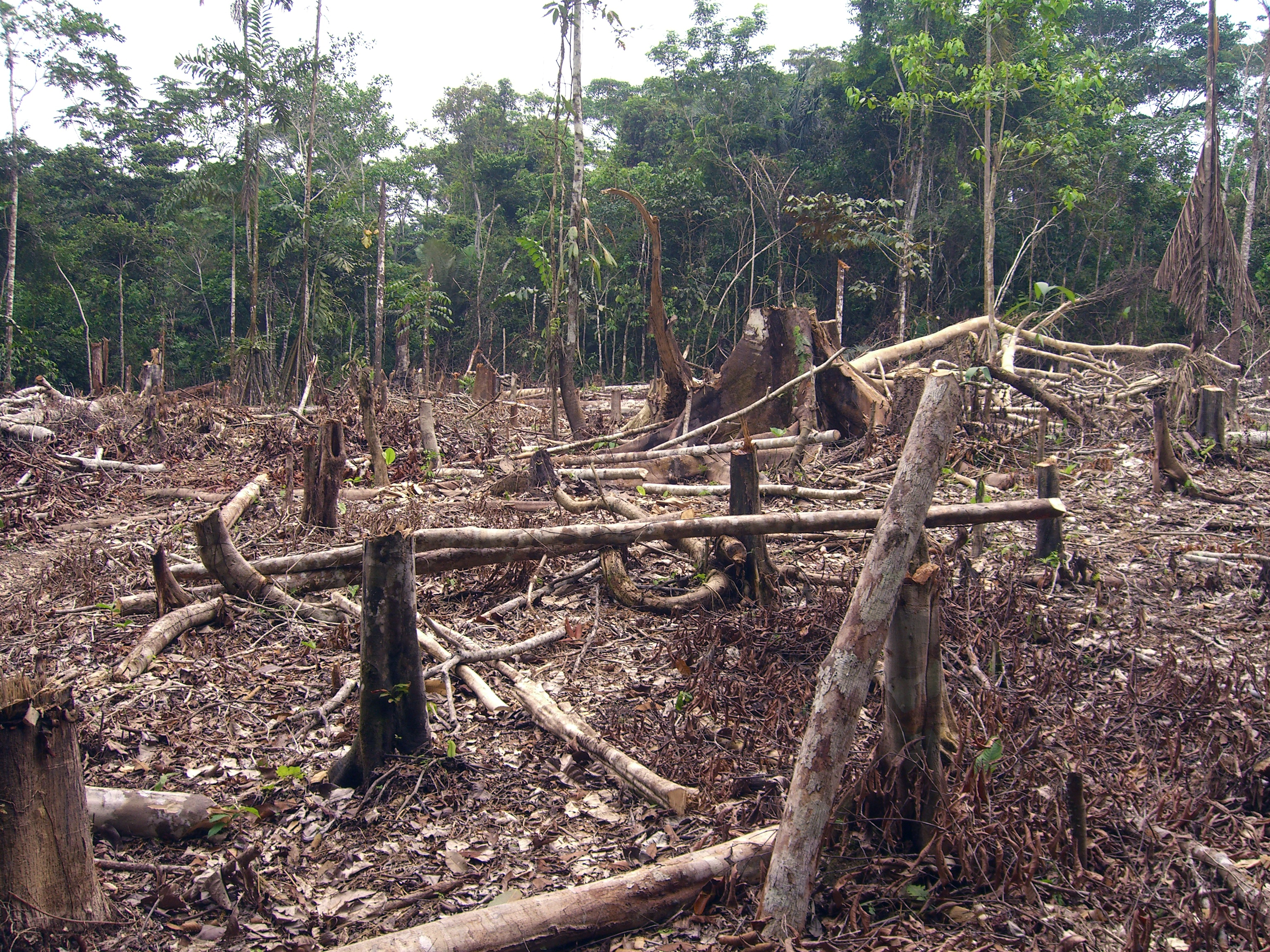
Picture from Wikipedia

Friday, 20 January 2017

WHAT'S THE BIOSPHERE?

The biosphere is all of the ecosystems on the Earth. It includes the oceans, the land, the atmosphere and all the living things on the planet.
Picture from Wikipedia

Habitat
The place where a population lives is called its habitat. There can be many habitats in a single ecosystem. Sometimes living things can share a habitat.
Picture from Wikipedia

Biome
An ecosystem that has several types of habitat is called biome. For example, various habitats are found in savannahs. Some parts of the savannah have grasses and bushes. In other parts, trees can be found. Areas with ponds and small lakes form habitats for aquatic animals and plants.
Picture from wikipedia

Biosphere
The biosphere is the biggest known biome. It includes all of the habittats on Earth.

Many populations of animals can live in an ecosystem. Some of them share habitats. For example, in a rainforest ecosystem, the inmediate habitat od leafcutter ants includes the soil where they build their ant hill. Their habitat extends to the surrounding trees where the ants collect their food. The habitat of toucans includes the treetops where they live and feed. Their habitat doesn't include the soil because they don't visit that part of the rainforest.

Wednesday, 18 January 2017

HOW DO WE CLASSIFY ECOSYSTEMS

There are many types of ecosystems. To classify them, we examine their physical environment.
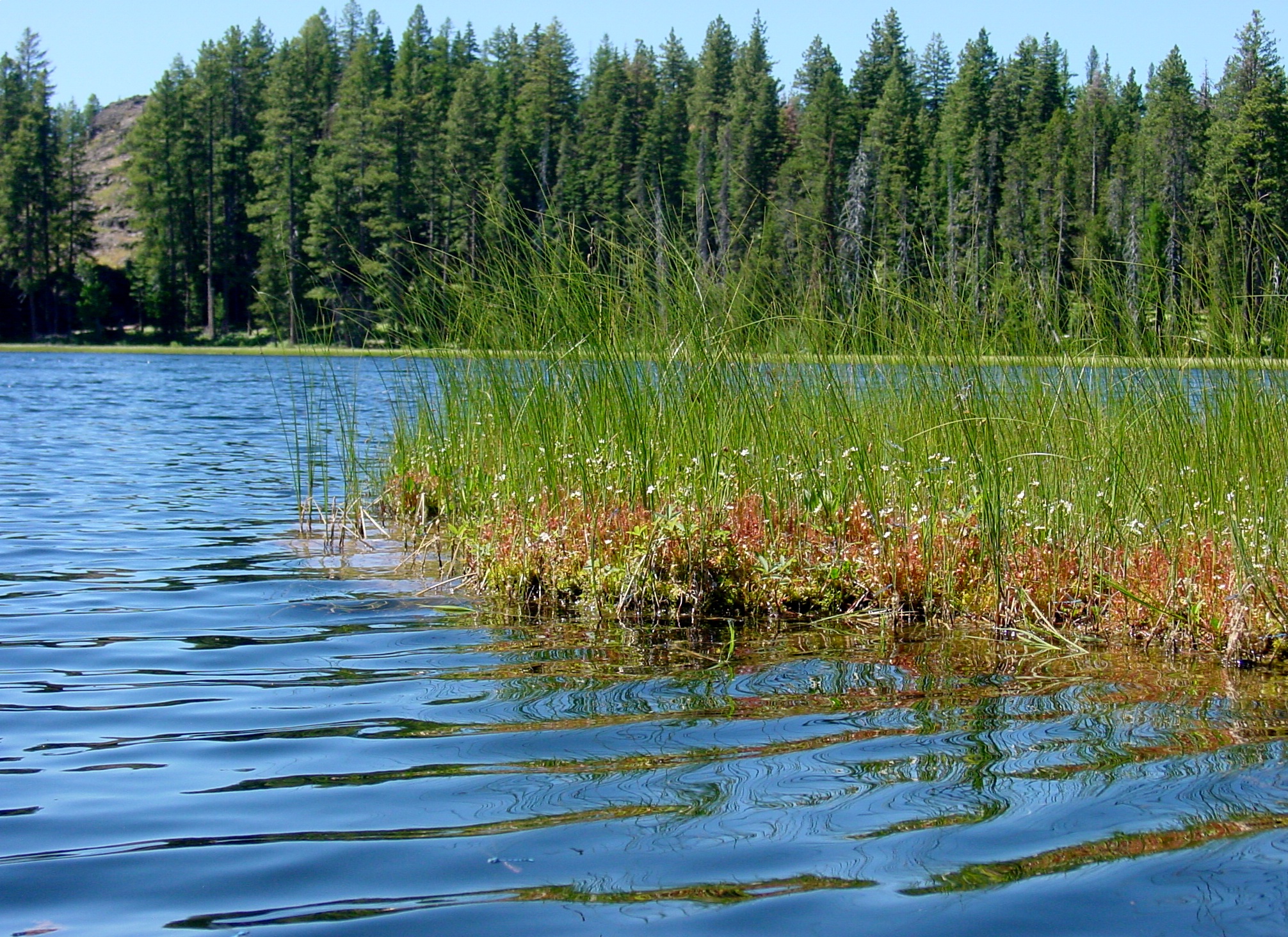
Pond ecosystems are small areasof water and their surrounding land.
The water, the soil or sand at the bottom of the pond and the banks of the pond are non-living things.
Aquatic plants such as water lilies, and animals such as ducks, turtles, pond skaters and dragonflies are found in this ecosystem.
Picture from dreamstime.

Woodland ecosystems can be flat or hilly. They sometimes have mountains and valleys.
There are non-living things such as soil and rocks, rivers or streams and also dead leaves and branches.
Among the living things, there are plants such as trees and shrubs. Many animals live here: snakes, squirrels, birds and insects such as beetles and ants.
Picture from BBC
Coast ecosystems have non-living things, such as the land and water along the coast, beaches, cliffs, dunes and rock pools.
Many different living things are found there: plants such as seaweed and dune grasses, and animals such as seagulls, fish and starfish.
Picture from USGS

Prairie ecosystems are large, flat areas.
The non-living things include soil and often rivers or lakes.
There are a variety of living things. Grasses and shrubs grow there, so prairies are sometimes called grasslands or savannahs.Zebras, rabbitsand owls, and insects such as grasshoppers and ants, are commonly found there.

Picture from livescience
City ecosystems can be flat or hilly with rivers or lakes, or on the coast. Buildings and roads are some of the non-living things in cities, but there are a variety of living things too.
Cities often have parks and gardens. Grasses, trees and bushes can all be found in most cities. Cities are home to many types of birds, such as mice, lizards, insects and sometimes foxes, can also be found.
Picture from The conversation.

Saturday, 14 January 2017

WHAT ARE TROPHIC RELATIONSHIPS?

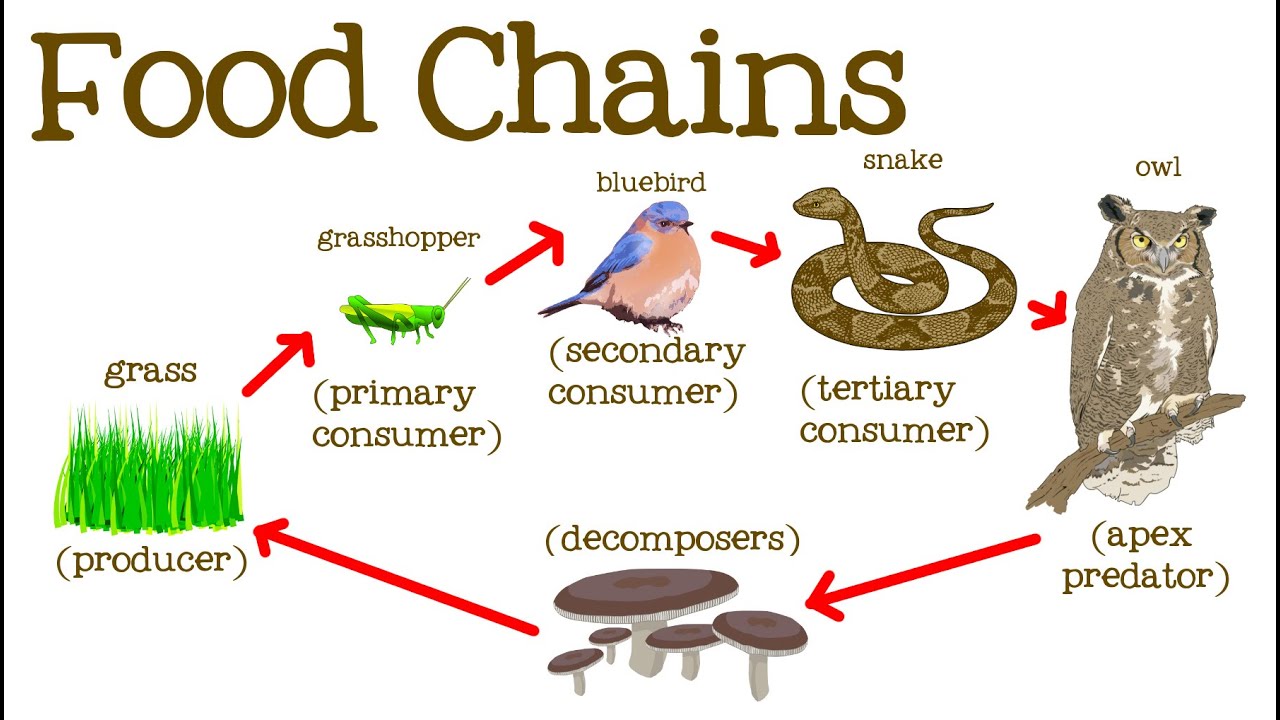
The relationships between the organisms that eat and the organisms that are eaten are called trophic relationships.
Producers (plants) make their own food.
Herbivores are primary consumers, they feed on plants.
Carnivores are secondary consumers, they feed on herbivores.
Other carnivores are tertiary consumers, they feed on secondary consumers.
Decomposers break down the remains of dead organisms.
A food chain shows the trophic relationships between different organisms.
Picture from the video:

Food Chains for Kids: Food Webs, the Circle of Life, and the Flow of Energy - FreeSchool

Thursday, 12 January 2017

WHAT'S AN ECOSYSTEM?

We can find life in all types of climates and landscapes. All of these places and the organisms that live in them form a variety of ecosystems.

Ecosystems:
An ecosystem is made up of two parts, the biotope and the biocoenosis.
  • The biotope, or phisical environment includes all of the non-living things in an ecosystem (geographical relief, soil, light and temperature).
  • The biocoenosis includes all the living things in an ecosystem (plants, animals and other organisms).
There can be many different organisms in an ecosystem.
  • A population is a group of organisms that live together and belong to the same species.
  • A community is a collection of different populations that live together in one place.
In an ecosystem, we can classify the relationships betweeen individual organisms.
  • Intraspecific relationships exist between individual members of the same species.
  • Interspecific relationships exist between individual members of different species.